Category: Blog Posts

Copy of Can Kids Help Heal The Land
May 6, 2026 by Admin 0 Comments

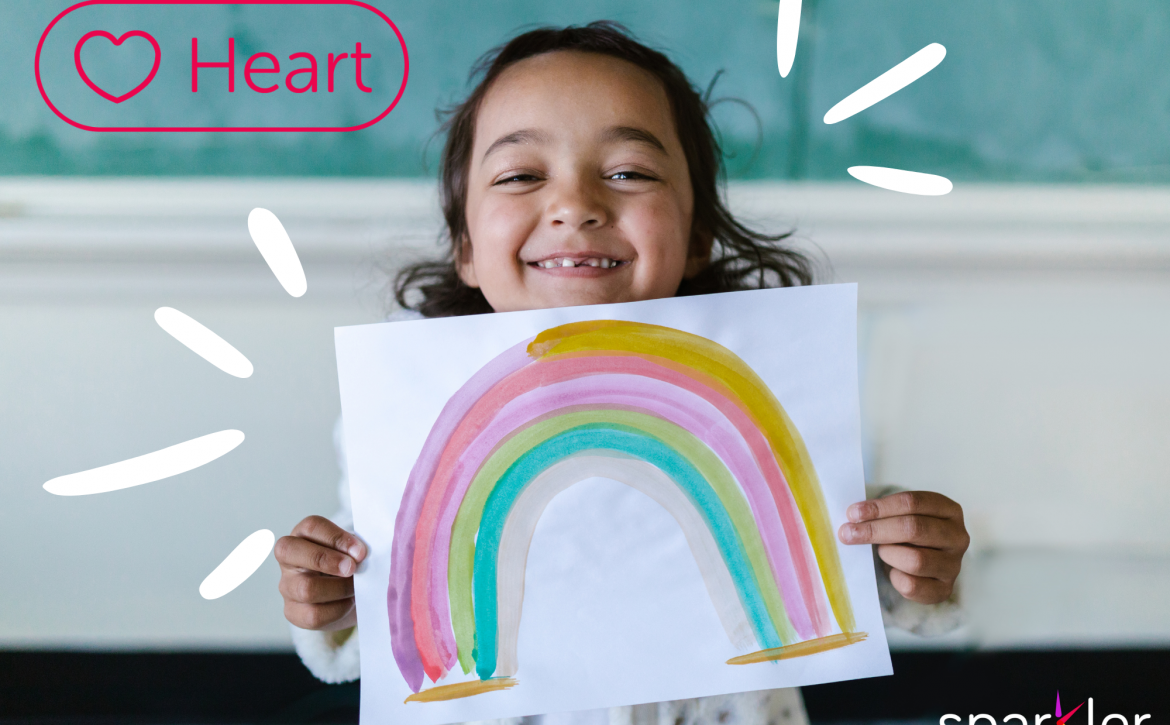
How to Grow Kids’ Heart Skills

Sparkler has thousands of activities that families can use to support the development of their children’s social and emotional skills — starting before babies and born and through age five. All of the activities focused on social and emotional skills are grouped within the Sparkler domain called “heart.” Families can discover these activities in “Play” in their Sparkler app, or you can suggest activities to families using Sparkler’s library

Within “heart,” Sparkler has three sub-domains and 8 skills:

  • Social: Empathy, Trust

  • Emotional: Feelings, Self-Regulation, Identity

  • Outlook: Curiosity, Persistence, Independence

Here are some “Heart” play cards in the three heart sub-domains to get you started: 
 
Social Activities: 
  • Helping Hand (3+): Draw pictures of helping each other
  • Read to a Stuffed Friend (toddler+): Pick out a few books and cuddle up to read with a stuffed toy. 
  • Back and Forth (baby): Make sounds back and forth with your baby
  • Arm Swing (baby): Hold your baby on your arm and gently swing
Emotional Activities: 
  •  Shake the Nerves Away: Listen to the song NERVOUS and dance to shake away your nervous feelings.
  • Feelings Faces: Can you guess what my expression means I’m feeling? Am I happy or sad, excited or angry? When did you last feel that way?
  • Feelings Freeze Dance: Dance to DANCE YOUR FEELINGS. When the music stops, share call out the feeling.
  • Peek a Joy (baby): Play Peek a Boo with feelings!
  • Playdough Portraits:  Let’s make self portraits — or pictures of ourselves — using playdough! I’ll give you a mirror so you can observe your face while you work.

Outlook Activities: 

  •  Look for the Good Things: Do you hear the birds singing this morning? How beautiful! I forgot we got more of my very favorite cereal. I’m so excited! What do you notice?
  • Let’s Wonder: Let’s use our imaginations and wonder together. We can take turns sharing our craziest ideas!
  • Reach and Grasp: Try to reach out and touch it or grasp your toys.
  • Dinosaur Egg Hunt: Let’s go on a dinosaur egg hunt. How many eggs can you find? How many baby dinos do you think are going to be born?

angela webster
May 6, 2026 by Admin 0 Comments

How to Support Young Children’s Mental Health: A Q&A With the Associate Director of the CT Association for Infant Mental Health

In honor of National Children’s Mental Health Awareness Day, Sparkler talked with Angela Webster, the new associate director of the Connecticut Association of Infant Mental Health (CT-AIMH) about mental health and what families can do to help support their children’s mental health from their earliest days. Angela’s work focuses on strengthening the Infant and Early Childhood Mental Health workforce through strategy and operational alignment, professional development, and the development of sustainable systems that support reflective practice and relationship-based care. 

Sparkler: Today is National Children’s Mental Health Awareness Day. What is children’s mental health? How do you define it?

Angela: When we talk about children’s mental health, we’re really talking about how both big kids and little ones feel, connect with, and handle the world around them.

It’s their ability to feel safe, to trust, to express big feelings (even the hard and messy ones), feel comfortable exploring and learning, and to build relationships with their peers and grownups. Children’s mental health shows up in all the everyday moments, things like how they come to you for comfort, how they explore their world, how they recover after being upset.

At the very heart of it, children’s mental health grows through relationships. It’s built in those small, repeated moments where a child experiences the feeling that “Someone sees me. Someone’s here for me. I am loved and people want to be around me.”

Sparkler: Is that the same or different from “infant mental health”?

Angela: Children’s mental health and infant mental health are very connected. Infant mental health just zooms in on the very youngest children — from prenatal, to babies, toddlers, and preschoolers.

What’s a little different is that with babies, you can’t separate them from their caregivers. A baby’s mental health lives inside the context of that relationship. The way you respond to their cries, the way you look at them, hold them, figure them out, all those moments are what shape their sense of safety and trust.

So really, it’s not about the baby alone. It’s about the two of you together.

Sparkler: Some people don’t think about “mental health” being an issue until people are older. Why is it important to think about the mental health of babies and young children?

Angela: Because it starts way earlier than most people think.

The early years are when kids are building the foundation for everything they’ll be, everything they’ll do, and everything they’ll become. They’re laying the groundwork for how they’ll handle stress, how they’ll relate to others, and how they will ultimately see themselves with their grown-up eyes. Those patterns don’t magically show up later. They grow from children’s early experiences.

The good news is that you don’t have to do anything big or get it perfect. The little things you’re already doing, comforting them when they cry, smiling back at them, sitting with them when they’re upset, reading to them, singing to them, talking to them when you are dressing and diapering them, all those little moments are what matter most. Just being there for your child, again and again, is what really makes the difference. Then they understand that you are their “go-to” trusted person — they can count on you and you will predictably meet their needs.

Sparkler: I understand that CT-AIMH is a non-profit organization that mainly trains the professionals who work with children 0-6 years old and their families. You do not directly serve families.

Angela: Yes CT-AIMH is a statewide non-profit, and we do not serve children or families directly, but our mission is to work to promote, support and strengthen nurturing, quality relationships for infants, young children and their caregivers, within the context of family, community and culture through education, advocacy, and professional development. 

Sparkler: Starting prenatally, what are some things that families can do when their babies are on the way to lay the foundation for their babies’ mental health and wellness?

Angela: You don’t need to have it all figured out before your baby arrives. Truly. But there are some things that we can do even before our little ones enter the world:

  • Talk or sing to your baby. It might feel funny at first, but it helps you start connecting.
  • Think about who’s in your corner. Who can you call when you’re tired or overwhelmed?
  • Pay attention to your own stress and feelings. Taking care of yourself is part of taking care of your baby.
  • Let yourself be curious about what kind of parent you want to be, but without pressure to get it “right.”
  • Begin to think about your dreams for your baby and start envisioning and then creating space for where you want your baby to sleep, eat, and play.
  • Connect with a playgroup or parenting group in your area. Other families are a great support and resource.
  • Talk with your partners, family and those close to you to begin to think about who will take care of the baby if you have to return to work(childcare).

Remember, it isn’t about doing everything perfectly. It’s about beginning a relationship.

Sparkler: What can families do throughout early childhood to support mental health?

Angela: Honestly, it’s the little things you’re probably already doing.

  • When your child is upset and you comfort them. That matters.
  • When you laugh together. That matters.
  • When you name what they’re feeling (“You’re really mad right now”). That matters.
  • When you stick to simple routines — that helps them feel safe.
  • When things go sideways (because they will) and you come back together. That might matter most of all.

Parents don’t have to be perfect (thank goodness!) There’s no such thing. Kids grow best when their grownups keep showing up. Every  day, day after day.  Every interaction builds their tiny little brains. From the time they are born, to age 5, their brains have formed billions of connections each minute, and their brains are growing fast!

Sparkler: What are the main questions or concerns you hear from families about children’s mental health?

Angela: A lot of parents might wonder:

  • “Is this normal?”
  • “Why are the feelings so big?”
  • “Am I messing this up?”

Things like tantrums, sleep struggles, feeding issues, toileting concerns, clinginess, or sudden changes can feel overwhelming.

What we often say is, big feelings are part of growing up. Kids aren’t giving you a hard time, they’re having a hard time. And they’re still learning how to handle all of it. All behavior is communication, and your job is to figure out what they are trying to say, and what they need.  You are a baby detective, and a brain builder!

Sparkler: What can families do if they have questions or concerns about their children’s mental health?

Angela: First, trust yourself. If something feels off, it’s okay to check it out.

You don’t have to carry it alone. You can talk to your child’s pediatrician, a caregiver, or use tools like the Sparkler app to learn more about what’s typical and what might help. CT also has the 211-Infoline that offers many supports that you may be in need of.

Reaching out doesn’t mean something is wrong. It just means you care and want to understand your child better.

Sparkler: Is there anything that programs or systems can do better to safeguard children’s mental health?

Angela: Families shouldn’t have to work this hard to find support.

The biggest opportunity is making help feel easy, normal, and close to where families already are, like at the pediatrician’s office, in child care,  in playgroups, in Family Resource Centers, in Early Intervention or through tools they can use at home.

And just as important is truly supporting parents. When caregivers feel supported, kids feel it too.

At the end of the day, children do best when the people caring for them aren’t doing it alone. Remember, infant and early childhood mental health is all about those very important early relationships!

kissinghand
May 6, 2026 by Marchelle Mixson 0 Comments

It’s Never Too Early to Build Children’s Social-Emotional Skills and Mental Health

By Marchelle Mixson

A small, progressive preschool in Brooklyn, NY taught me the importance of focusing on young children’s mental health and that it’s never too soon to honor a child’s personhood and build the skills they’ll need for life. 
My work shifted how I spoke to children, how I listened to them, and how I integrated social-emotional learning into the fabric of their play-based learning and the many predictable (and unpredictable!) teachable moments each day offered.
The transition from early childhood educator to school counselor made perfect sense for me. Working with children ages 2–5 illuminated the building blocks of what it means to be human: to be a part of a community, to follow familiar routines, to feel deeply, to advocate for yourself, to know you are safe, to make mistakes, and to identify your likes, dislikes, aptitudes, and challenges. My career in mental health advocacy began over a decade ago working with adults, but I was deeply struck by my work with young children. They showed a remarkable willingness to overcome challenges, problem solve creatively, and learn from those around them.

Today, I work as a School Counselor at a Pre-K–8th grade school, and I still have a special place in my heart for the youngest students. I’m often asked, “What do you do with younger children as a school counselor?” My answer is always the same: What you would do with older children. There may be more games, books, and songs woven into the approach, but they are still learning and practicing the same core skills of self-awareness, self-management, social awareness, relationship skills, and responsible decision-making. 

Below is a recap of some of the Social-Emotional Learning (SEL) lessons and activities my school’s youngest students experienced this year.

Building Big Hearts With 4 Year Olds

The school year began with the 4s (Pre-K) focusing on building independence, easing separation, learning what it means to be part of a community, and developing self-management skills. Students were encouraged to reflect on what they enjoy at school, helping them associate positive emotions with the classroom experience. To support conversations about missing home, they read The Kissing Hand and explored how small acts of kindness can help us feel safe and connected even when we’re away from home. Group drawing and building projects created opportunities to practice cooperation, share materials, and work together as part of a classroom community. Students also began exploring what it means to pay attention and how it supports learning, strengthens relationships, and helps keep them safe. 

Building Big Hearts With 5 Year Olds

As for the 5s (Kindergarten), their lessons were more focused on building self-awareness as learners, strengthening community, and continuing to develop self-awareness and social awareness and the impact their actions or inactions can have on others. They explored what it means to pay attention, learning that it involves thinking, listening, and watching, and that engagement can be shown through body language. This led to meaningful discussions about mistakes and how they can happen when attention drifts, but also when learning something new, and why they are a natural and important part of growth. To bring these ideas to life, students challenged themselves to write their names and draw using their non-dominant hands and telling themselves “It’s no big deal” when things didn’t work out as they wanted. This activity sparked conversations about self-acceptance, effort, persistence, and how practice leads to improvement. (Growing up, we may have heard that practice makes perfect, and that is not my ministry, as it does not align with the growth mindset I promote in my work with children.) It also introduced the idea that the brain grows stronger through challenges. Alongside this, students acknowledged that mistakes can bring up frustration and other big feelings, and they practiced strategies to manage those emotions.

Social and Emotional Learning is Fundamental to All Learning

This work reflects the belief that social and emotional learning is not separate from academic learning, but foundational to it. 

A professor I once had said that students may be present in school each day, but it is important for them to be available for learning. Students are more likely to be available for learning when their social and emotional skills are nurtured and their needs in these domains are met. 

By intentionally integrating SEL into daily classroom experiences, from play-based exploration to more structured lessons, students are better able to regulate emotions, build relationships, and engage in learning.

Can Kids Help Heal The Land
April 22, 2026 by Dana Stewart 0 Comments

Nature Play Matters More Than You Think

I’ve been working in early childhood education for years, and one of the things I keep coming back to — in research, in practice, and with my own children — is how powerful unstructured time in nature really is. Not a structured garden activity. Not a sensory bin shaped like a forest. Real outside time, with real sticks, real mud, real bugs, and real weather. 

And yet, children today spend less time outdoors than any previous generation. Studies suggest kids now spend an average of four to seven minutes per day in unstructured outdoor play, and up to seven hours in front of screens. That gap is concerning because the research is clear: time in nature has clear, strong, and significant benefits for children.

According to the American Academy of Pediatrics (AAP) and related research, time in nature improves young children’s physical, mental, and emotional health by increasing activity levels, reducing obesity risks, and lessening stress. Nature-based play fosters creativity, strengthens immune systems, and boosts cognitive development through unstructured exploration, ultimately nurturing better focus and social skills.

My favorite thing, though, is to watch the social-emotional learning that happens as children navigate natural spaces. In groups, or on their own they are practicing risk assessment, conflict resolution, frustration tolerance, and problem-solving skills. 

The inherent “risky” play (when appropriately supervised by an adult) offers lifelong benefits of its own including persistence, self-confidence, judgement, and even self-regulation. 

The best part? All of these benefits are freely available to everyone, regardless of where you live — no special equipment, fancy sensory table, or extensive curriculum needed. 

City parks or nature preserves, trees along busy streets or a forest full of leaves, a puddle or a stream, all offer opportunities for children to connect with nature. 

So how can you get started? It’s as easy as stepping outside:

Keep it simple. You do not need expensive gear or elaborate plans. Start with 10–15 minutes outside each day. Walk around the block. Visit the same nearby park regularly. Let your child collect leaves, notice birds, splash in puddles, or watch ants. Follow their lead instead of planning every activity. 

Slow down and stay quiet. Move at your child’s pace and let them enjoy feeling the wind in their hair, smelling the weeds, or watching the ants crawl along. Resist the urge to narrate, quiz, or redirect outdoor time toward “learning objectives” and allow the natural environment to do the teaching. 

Dress for the weather. Many families find that with the right layers, most seasons can be outdoor seasons. Make sure that you’re BOTH comfortable to extend the time outside. 

Most of all, remember that time in nature does not need to be perfect in order to be meaningful. A child who notices a worm on the sidewalk or feels wind on their face is learning. Small moments outside — repeated often — can help children grow stronger, calmer, more curious, and more connected to the world around them.

orangebracelet
March 19, 2026 by Admin 0 Comments

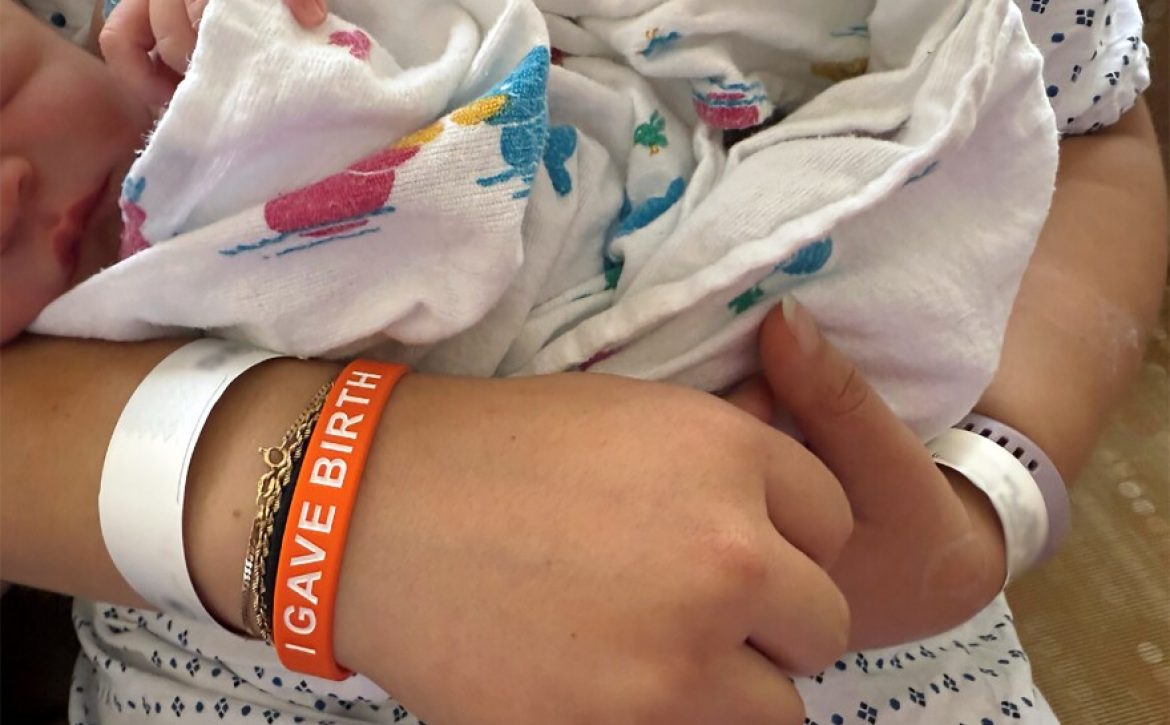
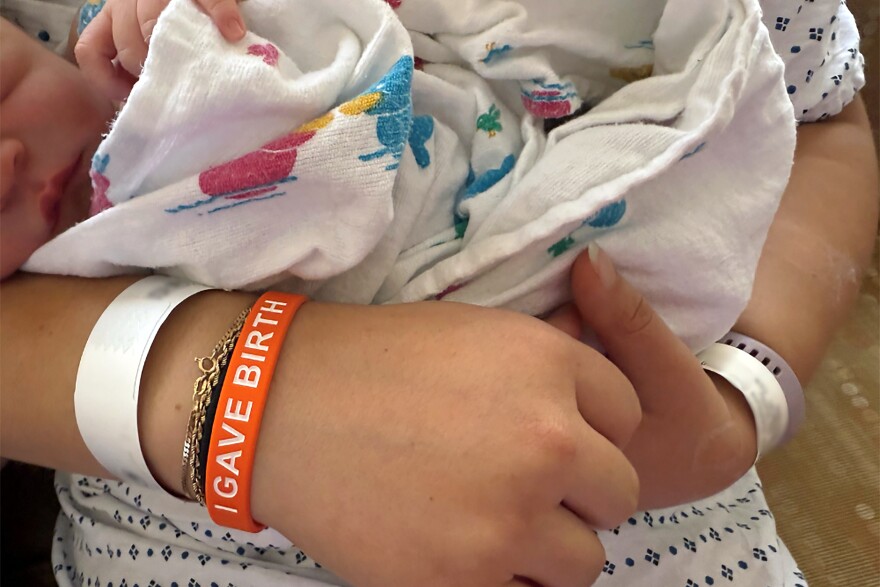
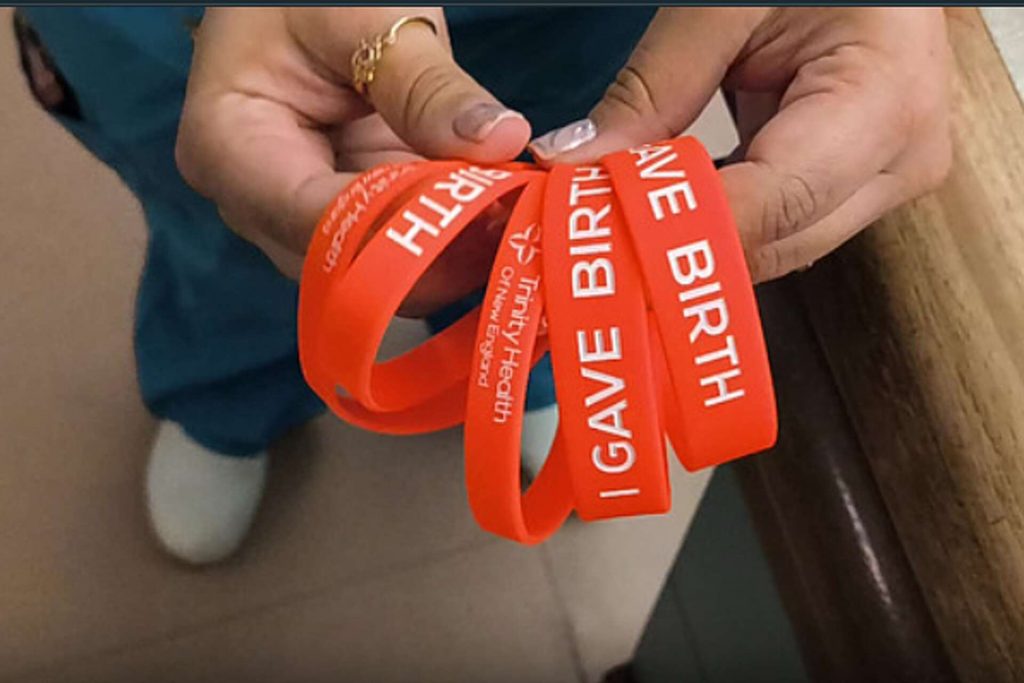
Q&A About The New Orange Bracelets that Are Keeping New Moms Safe

Sparkler chatted with Alison Tyliszczak, a consultant for the Connecticut Hospital Association, who leads some of the association’s maternal health efforts, including the Connecticut Perinatal Quality Collaborative, which is behind the new CT Urgent Maternal Warning Signs Bracelet Initiative, which launched in the fall. 

Q. How would you describe these bracelets to a new parent?

A. The bracelet is a really simple tool that is meant to be worn after birth, and up to 12 weeks after birth. Oftentimes after birth, there are a lot of complications that can happen that can be unexpected — things like bleeding, fever, and high blood pressure. We really just want to make sure that if any of these things happen, that she can quickly get the care that she needs.

Q. Why is it important for others in the community — librarians, teachers, doctors, etc. — to know about the bracelets?

A. The Bracelet Initiative was really designed to increase community awareness of preventable postpartum complications, and conditions like hemorrhage, like hypertension — and to ensure that birthing persons are empowered to seek help when they are experiencing symptoms of those complications. 

Q. Why are the bracelets orange?

An urgent Maternal Warning Signs Initiative began with The Association of Women’s Health Obstetric and Neonatal Nurses (AWHONN), and orange was kind of their signature color. We wanted to make sure that we were aligning the bracelet Initiative in Connecticut with what AWHONN was doing, and what other states were doing, because other states were also starting to use orange. 

Q. The first seedling of this idea is less than 2 years old! Is it already in all of the hospitals across Connecticut?

A. Yes! We’re the first state to launch a unified statewide strategy, to increase awareness of urgent maternal warning signs. We’re bringing hospitals, EMS, community partners together to help ensure that those warning signs are recognized quickly.

Q. This initiative is very new, but what is the impact so far?

A. We have heard from a couple of our partners that there were some patients, some postpartum patients that had come to the emergency room and were immediately triaged…Because they wore the bracelet, they were quickly triaged to an OB consult, which is what they needed at the time.

Q. That's great news. If you're a doctor, you probably know what to look out for, but if you're a teacher, or a home visitor, or somebody else who's working with families, what should you look out for?

A. I supervised a home visiting program for many years, and we actually did have this come up. We had a patient that did end up having a postpartum hypertensive episode, and had to go to the hospital, and was kind of on the fence, and we really had to encourage her to go to the hospital.

Providers should look out for headaches that will not go away, or that are getting worse over time, dizziness or fainting, changes in vision. body temperature of 100.4 or higher, swelling of the hands and feet, thoughts of harming yourself or your baby … The CDC Hear Her campaign provides a list of symptoms that are warning signs. 

Q. If someone notices or experiences one of these warning signs, what should they do?

A. The campaign urges you to connect them with emergency care right away.

Q. What's next for the Bracelet Initiative?

A.  The next objective we’re going to be working on is a statewide data management strategy. So, right now, CHA is meeting with hospitals individually to talk about what is feasible, what makes the most sense in terms of outcomes to measure … We’re also continuing this engagement with community, making sure that our community partners know about the Bracelet Initiative, that if they are working with a postpartum person, that they are encouraging them to wear their bracelet for 12 weeks, that they know the warning signs, and that if they have someone that they’re working with and are experiencing any warning signs, they’re helping to connect them to emergency care right away.

Q. How can people learn more about the Bracelet Initaitive?

Everyone check out the website: cthosp.org/bracelet. There are so many resources there!

New In Sparkler: A new unit of tips for grown-ups is available, providing an overview of the Bracelet Initiative and links to resources about Urgent Maternal Warning Signs. 

Screenshot
February 25, 2026 by Admin 0 Comments

Celebrating Read Across America: A Q&A with Meaghan Penrod on Reading Together and Early Literacy

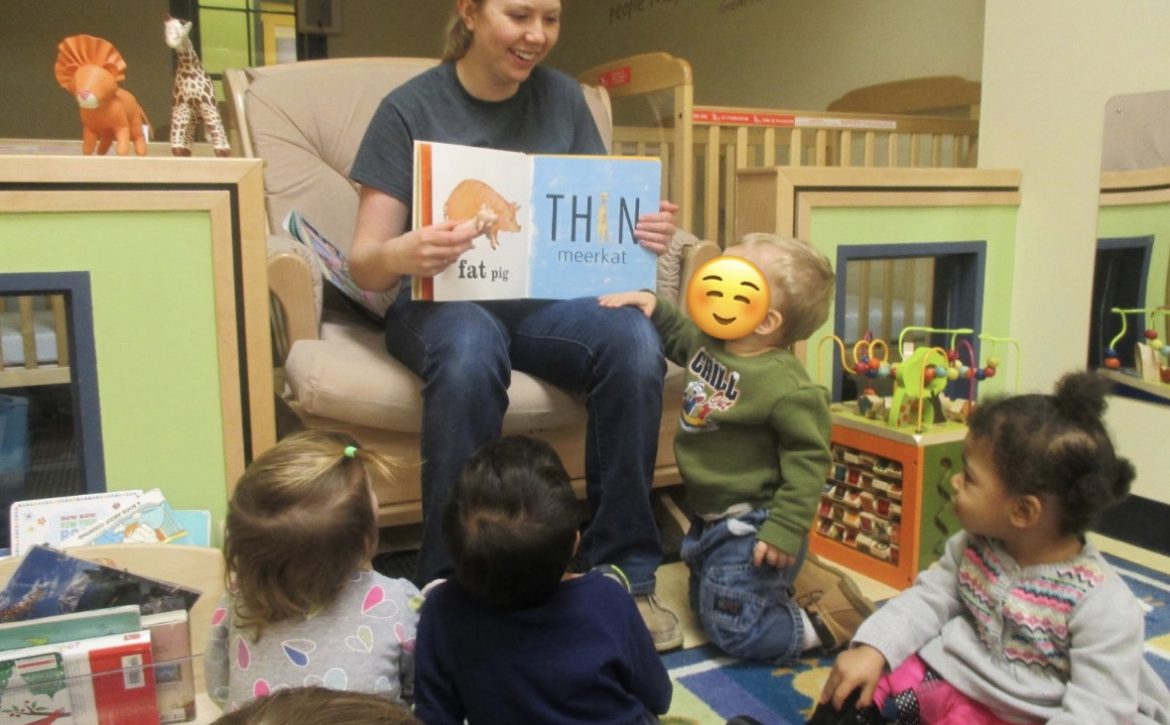
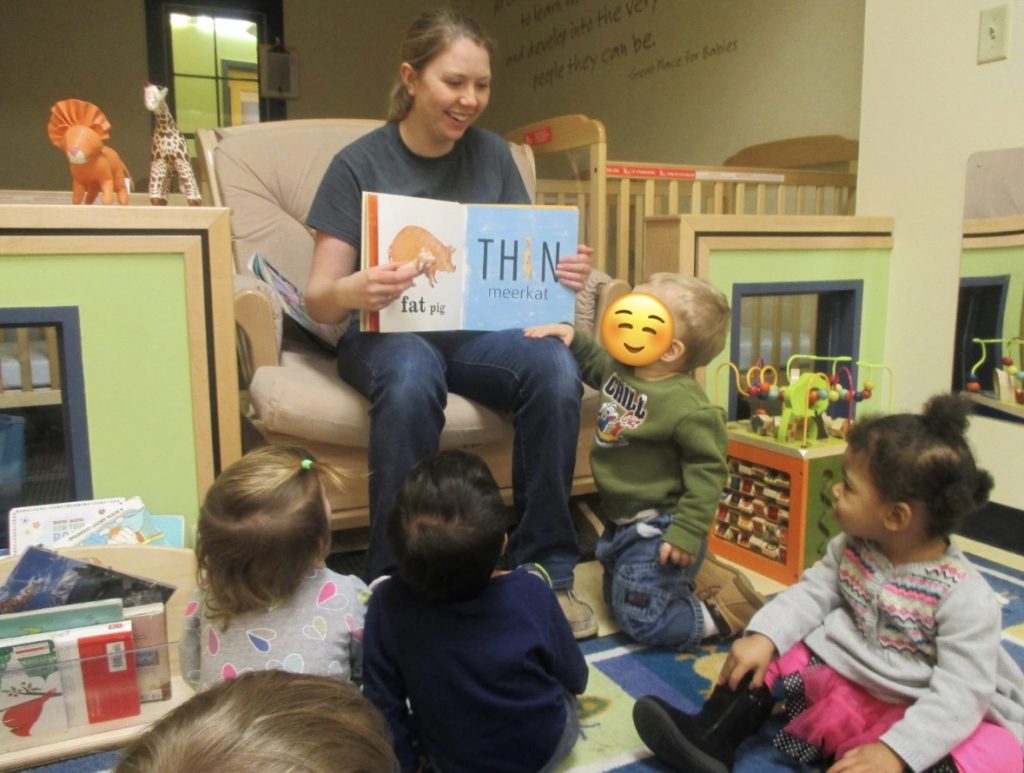
Meaghan reading aloud to a group of young students

In honor of Read Across America, we spoke with Meaghan Penrod, Certified Early Intervention Specialist and Family and Community Engagement Specialist at Sparkler Learning, about why reading together matters so much in the early years, and how families can make it part of everyday life. Meaghan helped to create this year’s special partnership between Read to Grow and Sparkler — in which we’re sharing a lineup of stories read by their authors (and aligned play activities) throughout the week. Learn more online or find it in the Sparkler app starting on March 2, 2026.

Q: Why is reading together so important in the early years (birth to 5)?

Meaghan:The early years are a period of incredible brain development. When families read together, they’re not just sharing a story — they’re building neural connections that support language, thinking, and social-emotional development. Reading aloud helps children hear new words, understand how language works, and begin to make sense of the world around them. But just as importantly, it strengthens the relationship between caregiver and child. That warm, back-and-forth interaction — snuggling up with a book, talking about the pictures, laughing together, learning what interests your child — is what truly fuels early learning.

Q: What does early literacy really mean? Is it about teaching kids to read as early as possible?

Meaghan: Early literacy isn’t about pushing young children to decode words before they’re ready. It’s about building the foundational skills that make reading possible later on and instill a love of reading! That includes vocabulary, listening comprehension, print awareness (like knowing how to hold a book and turn pages), and understanding that stories have a beginning, middle, and end. It also includes conversation. When caregivers ask questions, pause to let a child respond, or connect a story to real life, they’re building comprehension skills that are essential for later reading success. For babies and toddlers, early literacy might look like chewing on a board book, pointing at pictures, or babbling during story time — and that absolutely counts.

Q: How does reading together support social-emotional development?
Meaghan: Books help children make sense of feelings — their own and others’. Through stories, children see characters who feel excited, frustrated, worried, brave, or proud. They get to glimpse into other peoples’ minds and understand other perspectives. That helps build empathy and emotional vocabulary.  Reading together also creates predictability and comfort. A bedtime story, for example, can become a calming routine that helps children feel safe and secure. Those moments of connection build trust, which is the foundation for healthy development across the board.
Q: What advice would you give to families who feel too busy to read every day?

Meaghan: Be gentle with yourself. Reading together doesn’t have to mean sitting down for 20 uninterrupted minutes, and it may change over time with your child’s age and interests! Even five minutes counts. Reading while waiting at the doctor’s office, bringing a book on the bus, or sharing one quick story before bed all make a difference. You can also “read” the world around you — pointing out signs, labels, grocery lists, and environmental print helps children understand that words have meaning everywhere. The goal isn’t perfection. It’s connection and consistency over time.

Q: What makes reading interactive and engaging for young children?

Meaghan: Follow your child’s lead. If they want to linger on one page, that’s okay. If they want to flip back and reread their favorite part, that’s wonderful. With younger children, you might not even read the words on the page. Sometimes it works better to just talk about the pictures. When my kids were little and didn’t have a very long attention span, I’d scan the page to find a picture I knew they’d connect with and talk about that, even if it wasn’t really a part of the “story.” Something like “Oh, do you see that dog? That looks like your aunt’s dog!” This will usually get them interested and talking.  You can ask open-ended questions like, “What do you think will happen next?” or “How is the character feeling?” Let them turn the pages. Use different voices. Make it playful. When children are active participants in reading—not just listeners—they’re building comprehension, confidence, and a love of books.

Q: How can families support early literacy beyond books?

Meaghan: Talking, singing, and storytelling are powerful literacy tools. Narrating your day — “Now we’re putting on your shoes. One shoe, two shoes!” — builds vocabulary. Singing songs supports rhythm and sound awareness, which are important for learning to read. It’s also great for children to see how you engage with reading! When they see you read a book you enjoy, make a meal from a recipe, learn to play a game by reading the instructions, or make a grocery list, they’re learning that reading and words are meaningful and important! At Sparkler, we encourage families to see that literacy is woven into everyday moments. It’s not a separate subject. It’s part of daily life.

Q: Tell us about the special storytime campaign Sparkler and Read to Grow have created in honor of Read Across America Week.

Meaghan: This year for Read Across America Week (March 2–6), Sparkler partnered with the early-literacy nonprofit Read to Grow to bring a very special “Read Together” storytime campaign to families and caregivers everywhere. The idea is simple but powerful: we’re featuring a curated lineup of stories read aloud by the authors and illustrators who created them, so kids can hear the voices behind the books and connect with stories in a meaningful way.

Families can access these read-aloud videos right in the Sparkler mobile app or on Sparkler’s website — and each story comes with related activities designed to extend learning through play and interaction. That might look like movement prompts, simple art projects, or language-building games tied to the themes of the book. 

Q: Wow! What's the big idea of the collaboration?

Meaghan: Our BIG idea this week is read together, play together, learn together—because when grown-ups and children enjoy books side-by-side, children’s hearts, words, minds, and bodies all benefit. We created this campaign in partnership with Read to Grow because we believe deeply in supporting families as children’s first teachers, and we want Read Across America Week to be more than just a celebration. It’s an invitation to build joyful, ongoing reading routines that nurture curiosity and confidence early in life. 


Mandy Gonzalez
February 18, 2026 by Admin 0 Comments

The Power of Community in Early Childhood: Why Belonging Matters

Young children are wired for connection. When they feel like they belong — in a family, a playgroup, a classroom, or a neighborhood — they feel safe and secure. That safety lays the groundwork for growth in every area: emotional, social, and cognitive. 

This February, Sparkler’s Little Kids, Big Hearts podcast is focused on community — a topic that is important in childhood and throughout life. 

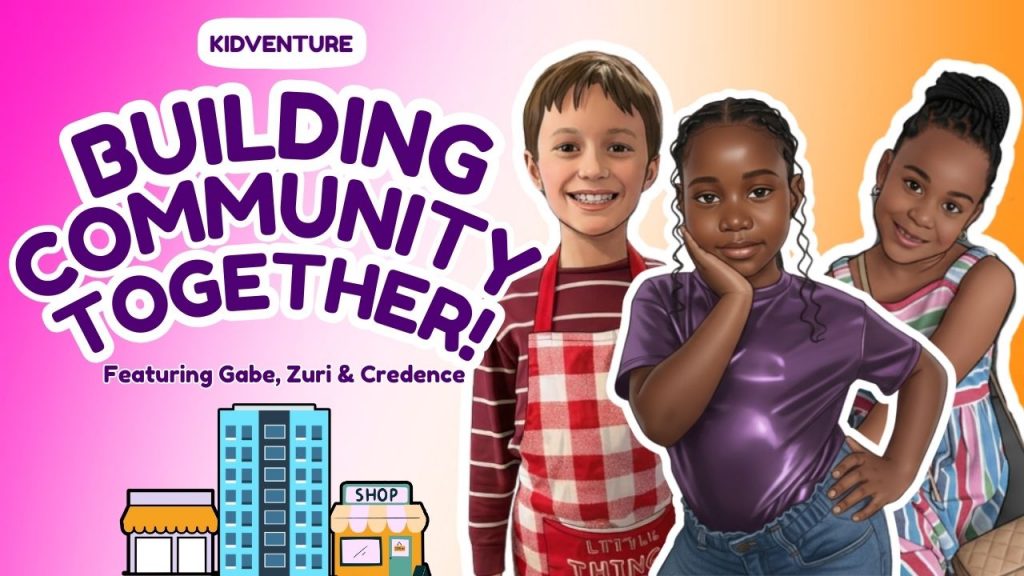
On the first episode of the month — a kidventure episode featuring three kids, Zuri,  Credence, and Gabe — the kids take an imaginary adventure to the Land of Qook-a-lackas where they discover that a big storm has blown all sorts of stuff — from shells to glitter to screws — all over the Land, disrupting plans for the Qook-a-lacka’s big bright block party. Together, they help a Qook-a-lacka friend, Quandy, who is feeling overwhelmed and unsure of how to bring everyone together. With creativity, teamwork, and big-hearted ideas, the kids help transform piles of random objects into games, decorations, music, and art. 

They discover that community isn’t about perfection; it’s about sharing ideas, helping one another, and building something meaningful together.


The guest star of the episode — playing the role of Quandy — is Mandy Gonzalez. Mandy starred on Broadway in the megahit Hamilton as Angelica Schuyler. She also originated Nina Rosario in the Tony Award-winning Broadway musical, In The Heights, for which Mandy received a Drama Desk Award. Mandy also starred as Elphaba in the Broadway production of WickedMandy recently performed a solo concert at Carnegie Hall with the NY Pops and Lin-Manuel Miranda

The second episode of the month is a “mission” episode: kids are sent on a “mission” of doing something to help others in their community. 
 
Coming up for weeks 3 and 4 of the month are a fictional story focused on community and an interview focused on community with an amazing  children’s book author Matthew de la Peña, who created “Last Stop on Market Street,” “Milo Imagines the World,” and other amazing books about community and other vital topics.

Resources About Community

After listening, extend the learning with discussion and play activities to support children’s understanding of the big idea of “community.” 

Sparkler is sharing two different activities: 

Little Helper, Big Impact: Create a plan of the ways you can help out in the different communities you’re part of…and figure out ways to contribute, whether it’s doing something kind for another person, cleaning up, or donating toys you’ve grown out of. 

Helpers United: Create a collage of the helpers in your life.

Listen and Learn More

🌈 Visit The Little Kids, Big Hearts Podcast website: https://playsparkler.org/podcast

🎧 Listen on Apple, Spotify, or YouTube: https://youtube.com/@LittleKidsBigHearts 

🎵 Follow us on TikTok: https://www.tiktok.com/@littlekidsbighearts 

📸 Instagram: https://www.instagram.com/little_kids_big_hearts_podcast 

📘 Facebook: https://www.facebook.com/LittleKidsBigHeartsPodcast 

IMG_9994
February 16, 2026 by Admin 0 Comments

Healthy Smiles Start Early!

February is National Children’s Dental Health Month — a great reminder that healthy smiles start early! For families with young children (birth to age 5), building strong dental habits now can prevent cavities, reduce discomfort, and set the stage for a lifetime of healthy teeth.

Why Early Dental Health Matters

Baby teeth may be temporary, but they play a big role in your child’s development. Healthy teeth help children:

  • Chew and eat nutritious foods

  • Develop clear speech

  • Smile confidently

  • Hold space for their permanent teeth

Tooth decay is one of the most common chronic conditions in young children — but it’s also largely preventable with simple, consistent care.

Focus on Prevention

🦷 Start Early

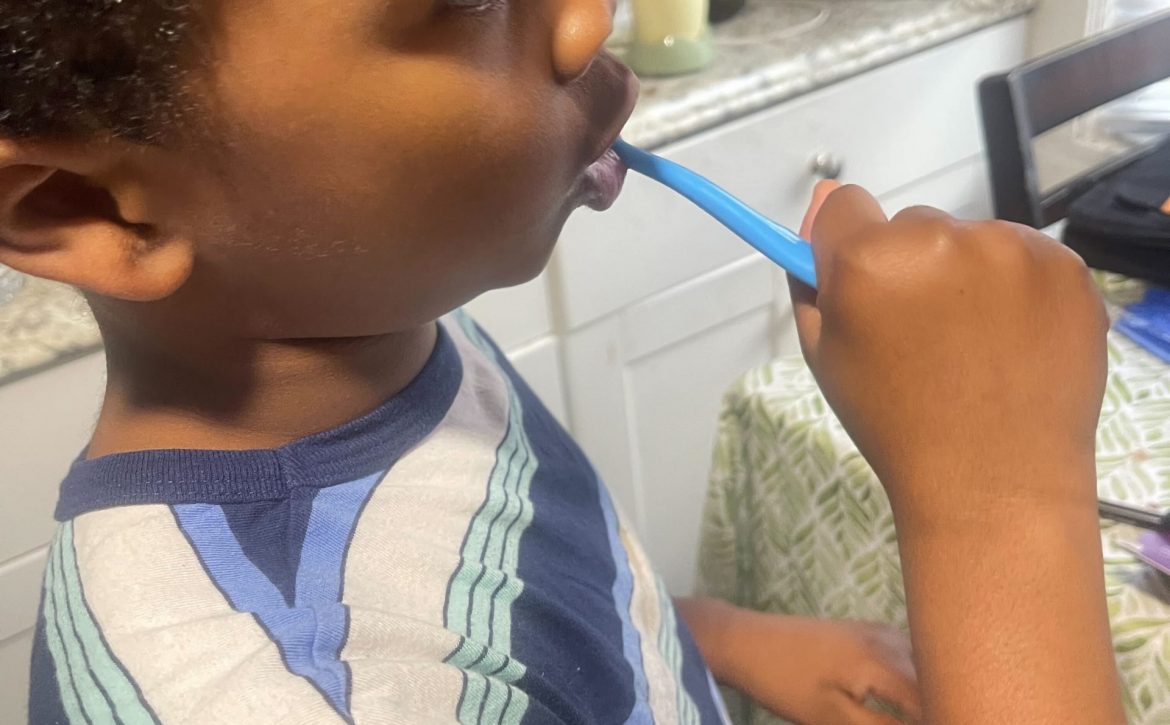
Dental care begins before the first tooth appears. Gently wipe your baby’s gums with a clean, damp cloth after feedings. Once teeth come in, brush twice a day with a small smear (the size of a grain of rice) of fluoride toothpaste. At age 3, increase to a pea-sized amount.

The American Dental Association recommends that children visit a dentist by their first birthday or within six months of their first tooth erupting.

🍎 Reduce Sugar to Prevent Cavities

Frequent exposure to sugary foods and drinks increases the risk of cavities. A few simple steps can make a big difference:

  • Offer water between meals (especially fluoridated tap water if available)

  • Limit juice and avoid sugary drinks

  • Serve sweets with meals rather than as standalone snacks

  • Choose whole fruits instead of fruit snacks or sticky treats

Even natural sugars (like those in dried fruit) can stick to teeth and contribute to decay, so brushing after snacks is important.

🪥 Brush and Floss Together

Young children need help brushing until at least age 6 – 8. Make brushing fun by:

  • Singing a two-minute song

  • Letting your child pick out a toothbrush with a favorite character

  • Brushing together as part of the bedtime routine

Once teeth touch, it’s time to begin flossing. Floss picks designed for little hands can make this easier.

Join a Dental Health Event Near You

National Children’s Dental Health Month is also a time for community learning and celebration! Many local organizations host special events focused on children’s dental wellness.

Our partners at the Connecticut Dental Health Partnership (CTDHP) are hosting a special “Popcorn & PJs” virtual event in collaboration with our friends at Read to Grow in Connecticut. This fun, family-friendly program combines storytime and dental health tips—perfect for cozy learning at home.

Check with your local dental associations, community health centers, or pediatric dental offices to learn about additional events and free resources happening in your area.

Find Trusted Resources

For more information about children’s dental health, explore:

  • The parent tips and play activities featured in Sparkler’s app this month

  • The American Dental Association

  • Educational materials from your child’s dentist or pediatrician

Healthy habits start small — but they make a big difference. By focusing on preventive care, limiting sugar, and making brushing and flossing part of your daily routine, you’re helping your child build a bright, healthy smile that lasts a lifetime.

Here’s to happy, healthy smiles this February! 🦷✨ 

Screenshot 2026-02-14 at 10.15.35 AM
February 14, 2026 by Admin 0 Comments

Love Isn’t Wrapped in Cellophane

Every February, store shelves overflow with heart-shaped candy and plush teddy bears. Valentine’s Day marketing makes it easy to believe that love is something you buy, wrap, and present with a bow. But for parents of young children, the most meaningful expressions of love rarely come in red and pink packaging.

They come as rocks.

Or dandelions.

Or a soggy cracker clutched in a tiny fist.

When a toddler waddles over and places a pebble in your hand, they are not giving you a rock; they are giving you their treasure. And in their world, offering a treasure is one of the purest expressions of love.

Love Is a Feeling

Young children are just beginning to understand emotions. “Love” is an abstract concept, but they learn it through repetition and connection: not through candy hearts but through moments.

When your child saves you the last bite of their snack, runs to you after a fall, brings you one of their creations, or hands you an acorn they found in the park, they are showing their love.  

Children’s small gestures are opportunities to name the feeling of love and say, “I love you too.” When you parents name the feeling and reciprocate it, they are boosting their child’s understanding of love and building their social-emotional skills.

The Power of Noticing

Genuine love requires attention. It asks us to slow down. Instead of focusing on what to buy this Valentine’s Day, parents can focus on what to notice:

  • The way your child lights up when you enter the room

  • The way they reach for your hand

  • The way they offer you something important to them

Narrate it for them:

  • “You brought me your favorite rock. That feels like love.”

  • “You saved this for me? I love you too.”

  • “You wanted to sit next to me. I love being close to you.”

These moments teach children that love is connection, generosity, and presence—not presents.

This Valentine’s Day

There’s nothing wrong with a small treat or a stuffed animal. But if we want our children to understand love deeply, we have to look beyond the aisle of heart-shaped boxes.

Love is in the pebble.
Love is in the scribbled drawing.
Love is in the sticky hand reaching for yours.

And when that small hand offers you its treasure, the most powerful response isn’t another object.

It’s four simple words:

“I love you too.”

Sparkler families...

Find a series of activities in the app to help you play and learn together this Valentine’s Day — from Heart Yoga to You Are My Sunshine

Screenshot 2026-02-06 at 9.48.01 AM
February 6, 2026 by Admin 0 Comments

Let’s Play Along With the Winter Olympics 2026

As the 2026 Olympics begins in Italy, we’re getting excited to watch all of the athletes compete on snow and ice…and we’re excited for all of the learning opportunities for little ones watching the Winter Games from home. 


Here are 10 ways that families can learn, play, and create together at home with their babies, toddlers, or preschoolers as they root for the athletes in Italy: 

10 Ways to Learn Through Play During the Olympics

  1. Where IS that on a map? Look up the athletes’ home countries. How far is that from where WE live?
  2. How many athletes do we see? There are 93 countries competing in the Olympics. The USA has 223 athletes, but many countries have just one or two competing. Count how many are competing for each country!
  3. What IS persistence? Ask your child how you think the athlete gets up even after a hard fall … and keeps going! What can WE learn from them? 
  4. Did you know there’s a brand new sport in this year’s Olympics? It’s called Skimo, which is short for ski mountaineering. It’s a demanding sport combining climbing and skiing. Can WE create a new game of our own that combines two things we love to play together? 
  5. Let’s learn to say “Hello” in the different languages spoken by the Olympians! From “hola” to “Nǐ hǎo,” the many athletes competing against each other in Italy have different ways of saying “hi.” Let’s try to learn to say “hello” like they do.
  6. Let’s design our own Olympic Outfits! Team USA is wearing Ralph Lauren’s cozy Americana (red, white, blue, winter white), Team Italy is in Armani’s elegant snowy hues (milky white, bold bomber), and Canada is wearing Lululemon’s topographical designs. If WE were going to design a uniform to represent OUR community, what would it look like? Let’s draw!
  7. Baby Bobsled: Let’s go for a ride! Sit on the floor with your legs outstretched and lay your baby on your legs for tummy time. Pretend you’re sliding on the ice. 
  8. Penguin Biathlon: Pretend to be penguins competing in the Winter Olympics biathlon! Invite your child to hold a small pillow or soft ball between their knees and waddle across the room to the basket. Toss in the ball and then waddle back. How fast can you go?
  9. Animal Bobsled: Choose toy animals as “athletes.” Then work together to create sleds out of boxes and a track from a piece of cardboard propped against stairs or a couch. Now work with your child to time the teams of stuffed animal athletes as they sled down the track — two animals per sled!
  10. Olympic Ring Art: The Olympic Rings symbolize athletes from all 5 continents and many different countries coming together to compete. Let’s make a sculpture inspired by the olympic rings! Let’s cut these cardboard tubes into rings. We can use paint or markers to color them blue, black, red, yellow, and green like the real olympic rings. Let’s use glue to create a sculpture with our colored rings! Should we arrange them flat on our paper or stack them high? Let’s create!

Find more Winter Olympics play activities in  your Sparkler mobile app! 

We are rooting for you, little athletes and scholars!