Learning Music Can Grow Your Kid’s Mind AND Heart
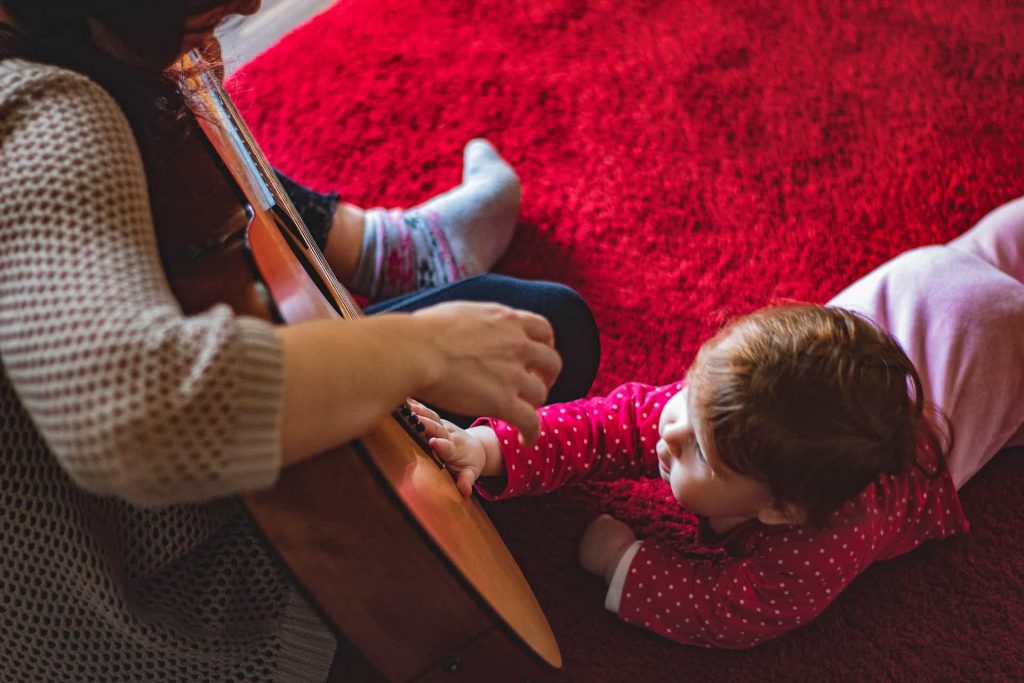
Even before babies are born, they are listening to the sounds that surround them and learning music, and by the time they are three years old, their brains have made a thousand, trillion connections, says Dr. Eric Rasmussen, the chairman of the Peabody Preparatory’s Early Childhood Music department at Johns Hopkins University.
“Music does, almost without a doubt, improve cognitive functions — it makes you smarter,” Eric said. “But the bottom line for me is that music just makes us human, makes us the artful, beautiful people we are.”
Eric said being exposed to music and music education in the early years is a powerful tool that can build multiple parts of the brain, all at once. It can help children to develop fine motor skills; memory; problem solving skills; math and literacy skills. It can also boost social and emotional skills, including perseverance, self-esteem, and relationships with other people.
“But the bottom line for me is that music just makes us human, makes us the artful, beautiful people we are.”
Eric Rasmussen
For parents, caregivers, and early childhood educators, the good news is that “learning music” doesn’t mean teaching children to count and name the musical notes. Formal instruction like that, Eric said, “gives the brain information and completely bypasses the ear.” Instead, parents, caregivers, and educators should foster “musical interactions” with children that use the ear (and the whole body) to promote meaningful learning.
5 Ways Parents and Caregivers Can Encourage Brain-Boosting Musical Interactions:
Eric shared five ways parents and caregivers can create brain-boosting “musical interactions” with their children:
- Sing to your baby without words. “Turn diapering into a song: ‘Doop-a-doop-a-doop-ba-doopity-doop,’” Eric advised. He said he encourages parents to talk in “Motherese,” a sing-song voice that is naturally musical, and to take away the words to create “songs” to share with babies throughout the day.
- Sing to your toddler without words. “The brain can’t do music and words at the same time,” Eric explained. “You have two competing things going on.” He said most children are better able to focus on the musical elements of songs without the words. So pick your favorite song and sing it without the lyrics to your child.
- Turn conversations into musical interactions. Turn your regular conversations with your child into musical interactions by focusing on patterns. When you point at a bird flying in the sky and say, “bird, bird, bird,” it’s almost like a song, Eric said: “It’s like feeding your child a little, tiny snippet of a melody.”
- Play music and sing to your child. Depending on the type of learner you have, listening to instrumental music or music with words might help them focus and learn more! So, turn on the music and play together to learn about music itself, and, later, the meaning of the lyrics.
- Get out your scarves and shakers to encourage your child to move to the music. “Movement may be more fundamental to music education than everything else put together,” Eric said. “Music gives rise to the understanding of rhythm, and rhythm is more fundamental to music than melody. Every melody has rhythm but not all songs have melody. What gives rise to understanding of rhythm is movement.”
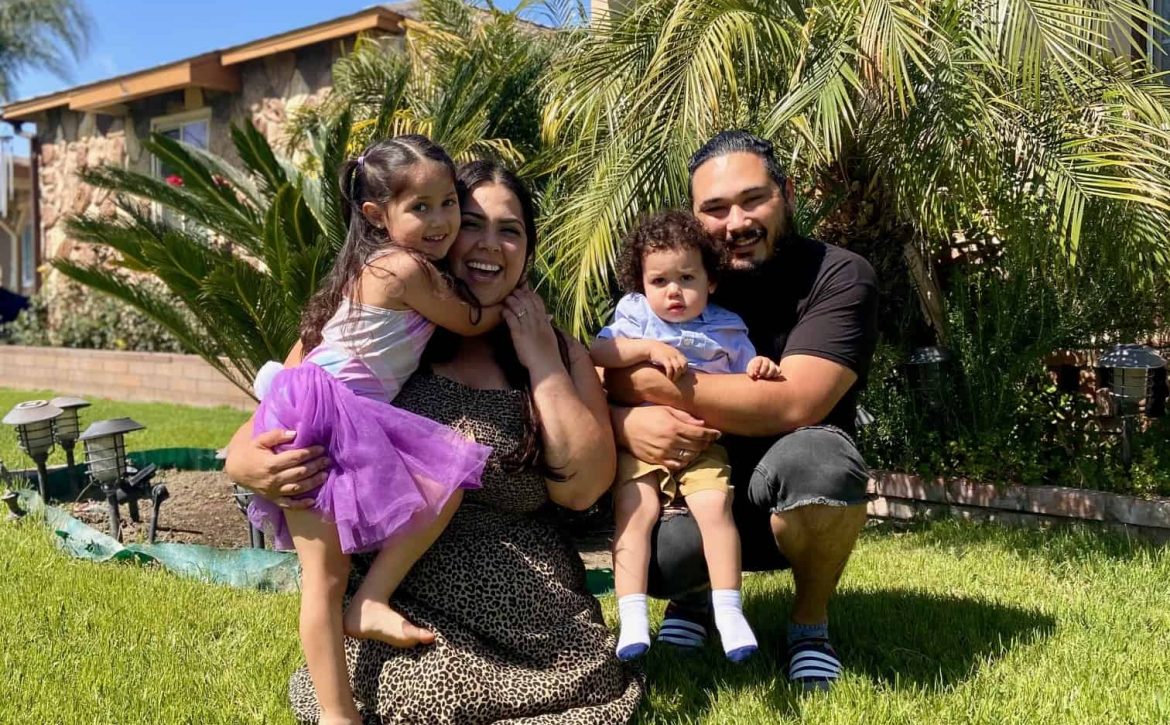
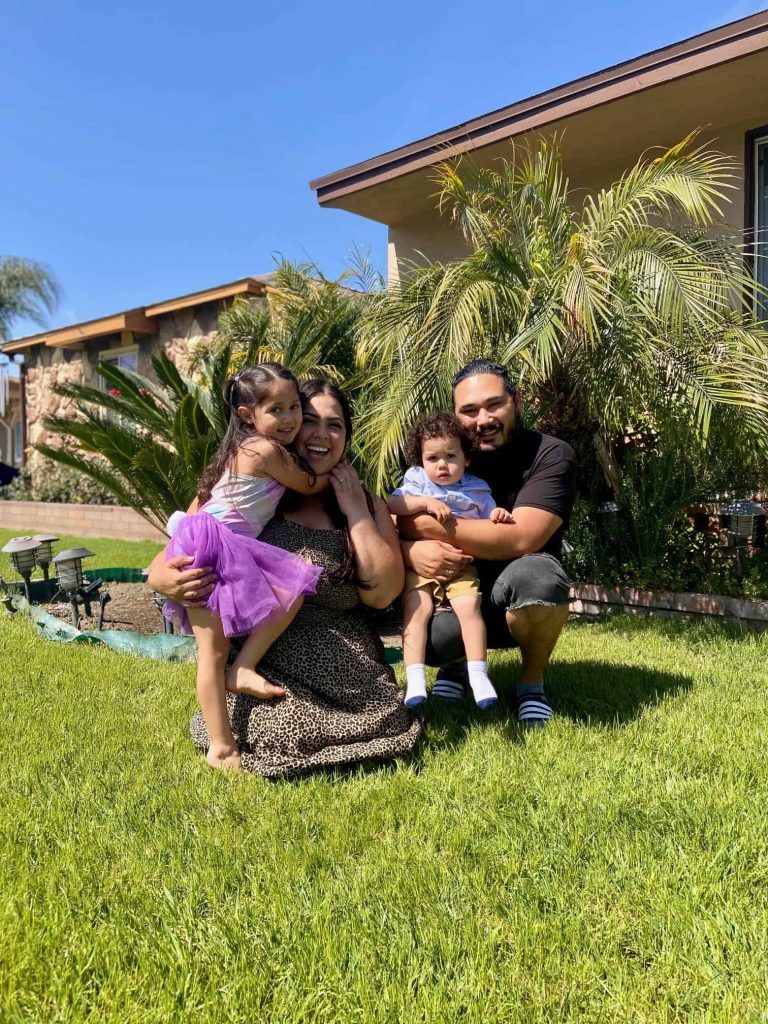 This week, my four-year-old daughter, Abigail Rose, told me that her best friend had punched her at school. I asked if she had told her teacher what happened and she said yes, and that he had gotten in “big trouble” for what he did.
Rather than being pleased her friend had been disciplined, my daughter was sad about it.
“Mom, I asked Ms. Valerie if his time out could be over because he already said he was sorry, and I already forgave him and he’s my friend,” she told me.
My big-hearted baby girl is growing up so quickly and I am so proud of so many of the choices she makes every day:
choices to be kind, gracious, loving, and compassionate. No one is even allowed to kill a bug in her presence because she says that God put her in this world to help care for all creatures, big and small.
So, how did I ever get so lucky? Truly, I don’t think luck has anything to do with it.
Children, from the earliest age, begin to absorb everything around them. The things they see, feel, hear, and experience in their earliest years of life become a part of who they are and who they will one day become. Our children may not remember every moment of their early childhood, but what they will always remember is how we made them feel. How I treat them now is how they will grow up to treat others.
My Abby is incredibly sweet and a wonderful little human, but she is also sassy and spicy and she gives me a run for my money!
I see so much of myself in her and whenever she is giving me a hard time, I try my best to react in love because I know that on my hardest days, I need a little extra love, too.
When she cries because it’s clean up time and the floor is literally covered in toys to the point where you can no longer see the carpet underneath, I validate her feelings and we clean up together because I know how it feels to be overwhelmed. When she is on edge right before her dance recital, I try to remember that she has a tummy full of butterflies and I let her know that it is okay to be nervous and that I’ll be there to support her, no matter what. I live by the golden rule with my children, always keeping in mind how I might feel in their shoes.
My second child, August Rain, was born with a neural tube defect that completely turned our world upside-down. He had a major spinal surgery at four months old, multiple hospitalizations, and a variety of challenges that we faced together as a family in his first two years of life.
There were times I held my daughter as I cried over her baby brother and I would explain that Mommy was feeling sad and scared and that everyone feels those things sometimes but what’s important is that we talk to someone that can help us to feel better, that we cry when we need to and that we don’t try to hide how we feel. I do not hide my heart from my children, I share it with them.
I see now how those experiences have left life-long impressions on my daughter’s heart. Last week, I had a mini meltdown at my computer when August interrupted me for the 500th time while I was busy working and I just couldn’t hold back my tears any longer.
Abby came up and said, “It’s okay, Mommy, I’m here to help you feel better.” Oh, my heart.
Becoming a special needs mom has made me even more passionate about my mission to spread kindness by raising kind kids.
I believe that the best way to raise kids with big hearts is to parent with a big heart. We lead by example and it can be incredibly challenging to be that role model of grace and kindness all the time but when we see our babies growing into these amazing, compassionate little people, it is absolutely worth it.