

Parenting With a Big Heart: Using Stories to Deepen and Broaden Children’s Perspectives
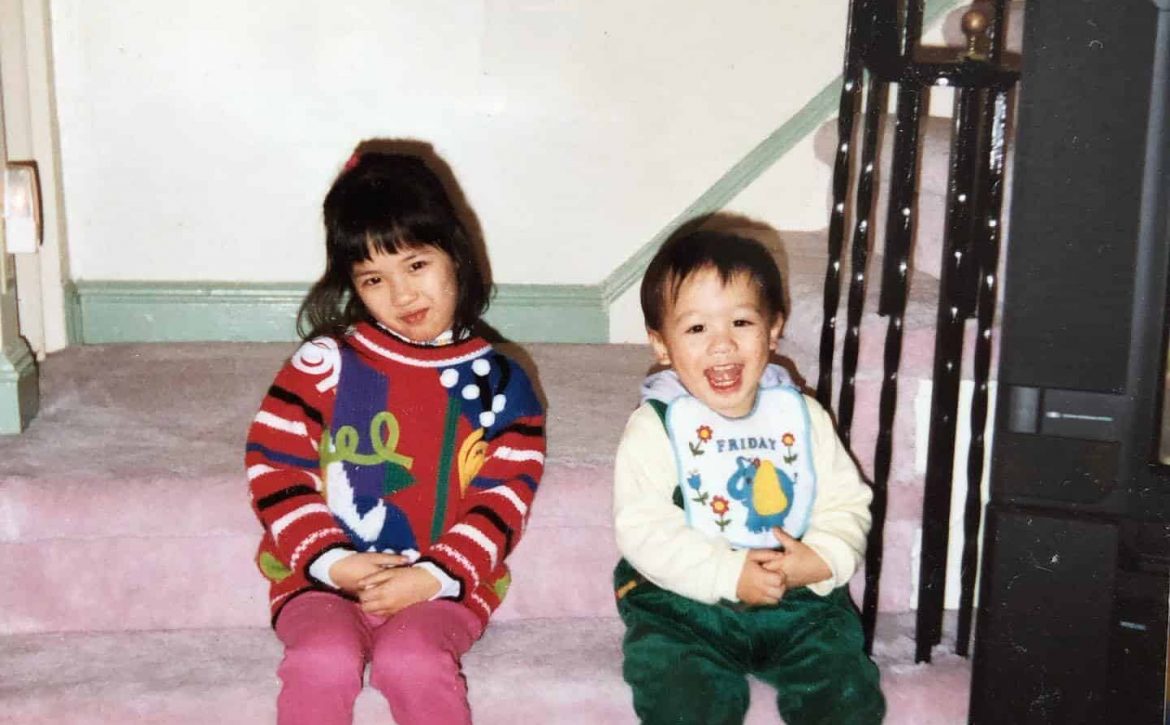
In a bustling elementary school hallway in Queens, NY, a fellow six-year-old asked me: “Are you Chinese?”
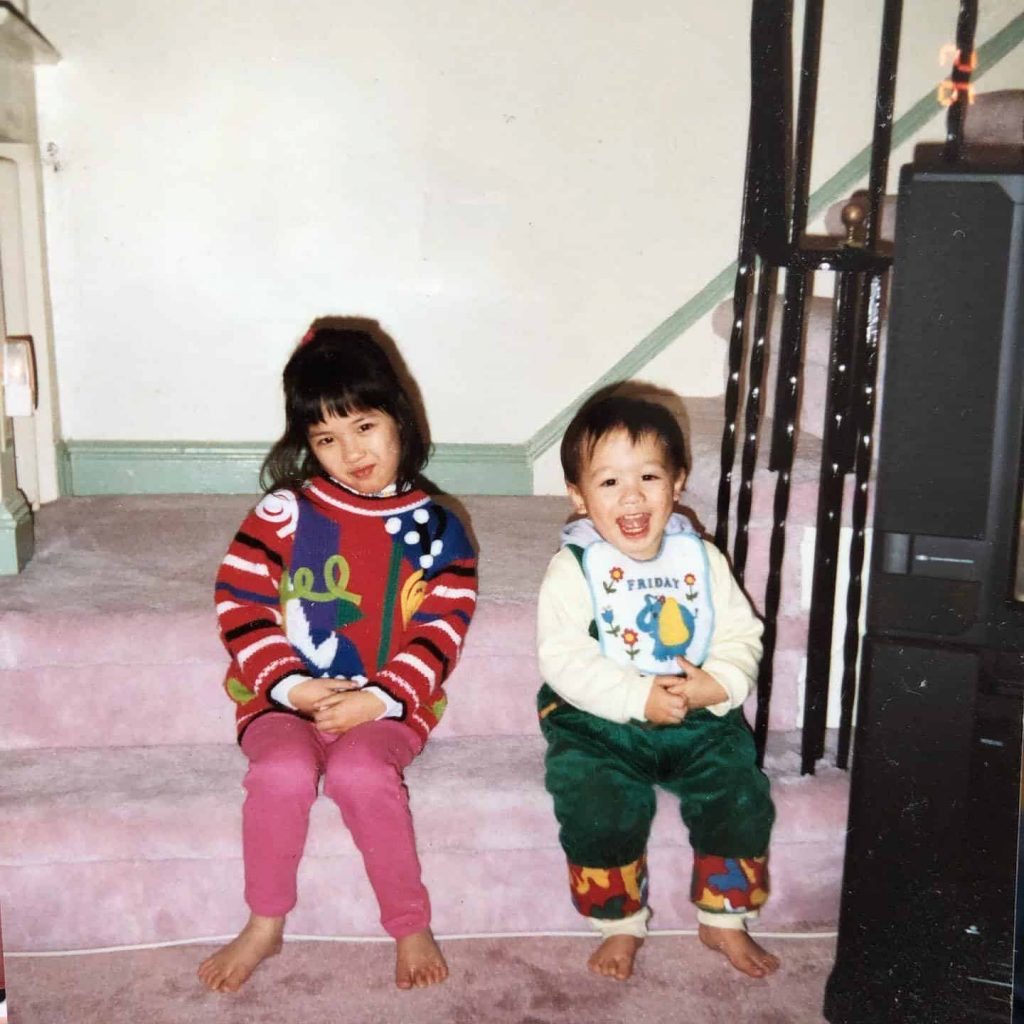
“No. I’m ABC!” I replied. I was proud to be ABC, American-born Chinese. The term “ABC” is one I’ve heard other kids use and it was an important part of my identity. Growing up in a diverse neighborhood, there were a lot of Asian people in my life — Chinese, Indian, Filipino, Korean, Pakistani, Taiwanese, Toisanese, mixed-race Asian; the list goes on. I loved the term ABC because it encapsulated who I felt I was, both American and Chinese. To be honest, I didn’t want to be only Chinese, despite being surrounded by other Asian Americans like myself.
The benefits of being considered American were clear to me. I learned about heroes in American history in school. I saw movies and TV shows with American people being class clowns, princesses, and superheroes. America was the country that provided opportunities for my grandmother and parents and they reminded me often how lucky I was to be American. We were living the American dream and culture. And yet, I didn’t see myself or the people that looked like me in American history or in the TV or movies I watched.
Do Asian American Children See Themselves in Children’s Media?
I’m now a proud mother of two young kids and am so excited to see the increase of representation in Asian American stories since I was a child. However, there is still work to be done.
Affirming how I felt about representation, in Nickelodeon’s Shades of Us study, conducted from 2019 – 2021, focusing on understanding race, identity, and the American family, about half of Asian kids shared that it is important to be represented in media. But many (40%) disagree with how they’re portrayed in movies and TV shows currently. The research also found that across top performing shows in kids TV shows, Asian American characters are not frequently supporting characters and even less likely lead characters. This has an impact on Asian American kids. When asked who they would cast in a role of an Asian American character, they chose “nerd” or “sidekick” for themselves, casting white characters as a lead — showcasing an internalization of the stereotypes they see.
There is an opportunity to tell more stories showcasing Asian American characters as complex and full of nuance, so all children can see those opportunities for themselves, outside of stereotypes.
Michelle Sugihara, executive director of CAPE, writes in a recent Geena Davis Study: “For the past 30 years, we have fought for Asian and Pacific Islander (API) representation in film and television, because what we watch on our screens should reflect the world in which we live and project a better one.”
In another recent study, Nickelodeon gave kids free range to share stories about themselves, with a prompt to take their “culture” (whichever it may be) into consideration, and they shared beautiful stories centering themselves, sometimes doing mundane things (a Native Hawaiian preschooler wanted to create a show about garbage trucks) to intimate cultural moments (an Indian-Pakistani Muslim 12-year-old wanted an epic tale about celebrating an Islamic wedding and wearing salwar kameez).
I want my children — and other American children — to read, watch, and experience these stories and more like them.
We Need to Share Both Vertical AND Horizontal Stories
As I think about ways to honor AANHPI (Asian American Native Hawaiian Pacific Islander) Heritage Month, I am using stories to deepen and broaden my children’s perspectives. There are two main types of stories — and I am using both with my children this month:
- Stories that provide an in-depth look into cultural experiences (these are called “vertical stories”)
- Stories that incorporate characters into stories of daily life without overt cues or a sole focus on their ethnicity/cultural background (these are called “horizontal stories”)
I love both types (and when they overlap) because, as a parent, I can show them to my children to give them a broad spectrum of Asian American stories. Learning stories about specific Asian American heroes and parts of Asian American cultures helps my children (and all children) gain context and imagine what they could accomplish. And seeing Asian Americans doing everyday things — going to school, playing in the park, etc. — normalizes the Asian American experiences to help Asian-American kids develop a sense of identity and belonging. For non-Asian kids, these stories illustrate a shared experience to build empathy.
How Can We Use Both Types of Stories With Young Children
Here are a few ways vertical and horizontal stories help:
- Instilling pride: One of the things that connects Asian American culture and many other cultures is food. I love the series of books by Little Picnic Press that celebrate food, language, and cultural diversity.
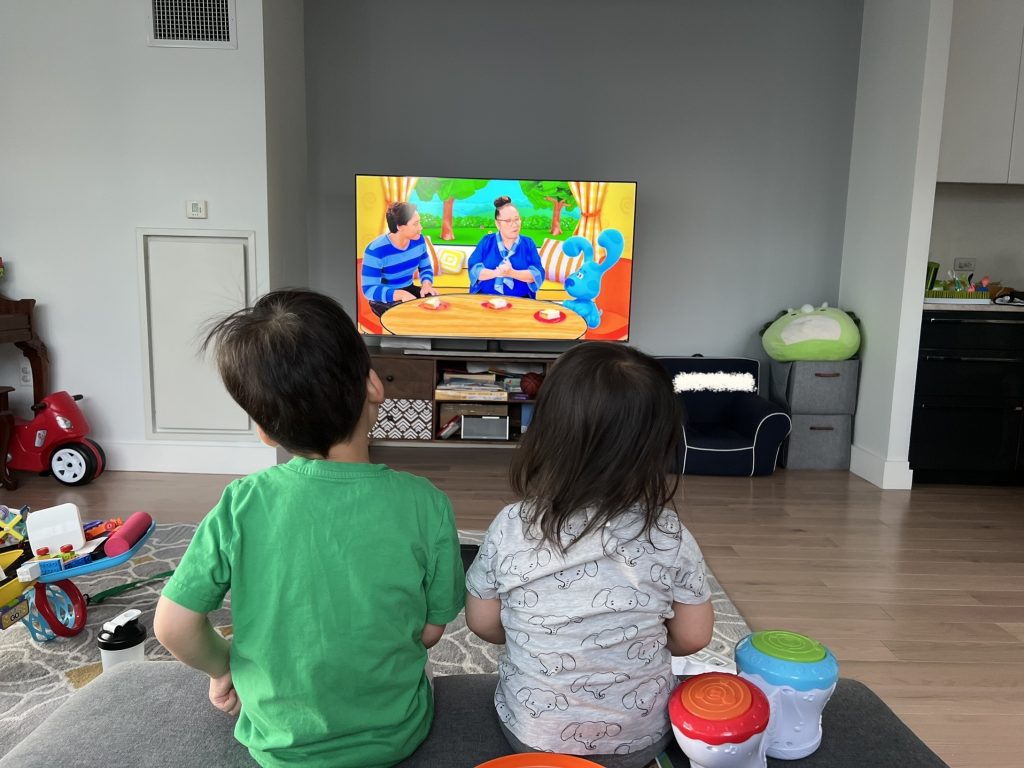
- TV shows/movies with characters that normalize seeing Asian Americans as lead: A favorite show of my 4-year-old is Blue’s Clues and You with Josh Delacruz, a Filipino-American actor, dancer, musician, and singer. He loves finding clues as much as counting bananas to help Blue make Josh’s lola bibingka. Another example of “horizontal” stories is the book Let’s Do Everything and Nothing by Julie Kuo. This story conveys everyday experiences of a mom and daughter with beautifully illustrated scenarios, from climbing a snow-peaked mountain to lying in bed. The cultural nuances of zhuyin books and a rice cooker are in the background and subtle, but present enough for someone who has a similar lived experience to “feel seen.”
- Stories that feature cross-cultural experiences: I’m always looking for stories that include mixed race/multicultural kids because that is what my family looks like today. My kids have so many mixed race/multicultural kids that are in their lives, either with friends, family, or in their school. I Love Us! is one I appreciate because it showcases all different types of families, getting ready for school, feeling sick, catching a train, and getting tucked into bed. I also seek out books, TV shows, and movies that are outside of Chinese American culture, so my children can get a glimpse of all of the amazing diversity that exists in our world. A great example of this is Noggin’s Celebrate Our Differences video featuring diverse kids.
- Stories about trailblazing Asian Americans in American history: Analiza Wolf’s Asian Americans who Inspired Us is the “vertical story” I needed as a child to know that Asian American history is American history. It is just as important to learn about Neil Armstrong as it is to know Ellison Onizuka, the first Japanese Hawaiian to go into space and bring with him Kona coffee beans. Now, every time my son sees a spaceship he says “It’s Ellison!”
As we continue to expose our kids to celebrate and honor Asian Americans, Native Hawaiians, and Pacific Islanders in our history and our lives, we can also use media as jumping points to start conversations.
I like to tell my kids they are completely Chinese and completely American. And maybe as they get older, they will decide to identify as American-born Chinese like me.



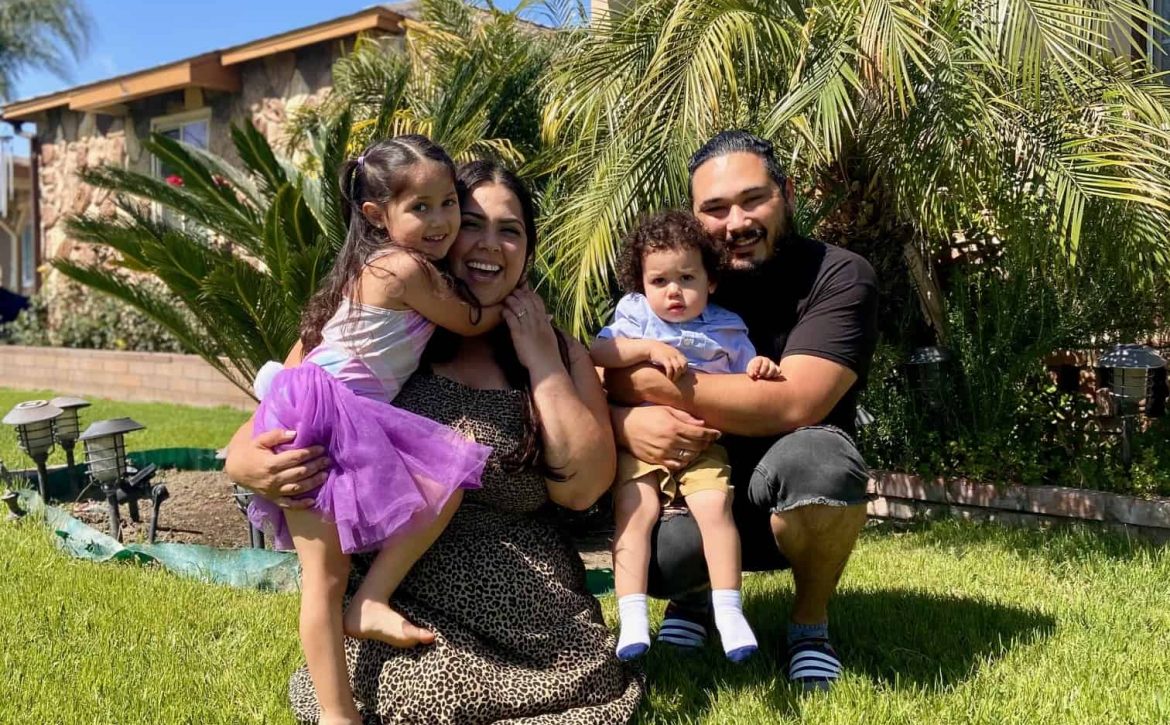
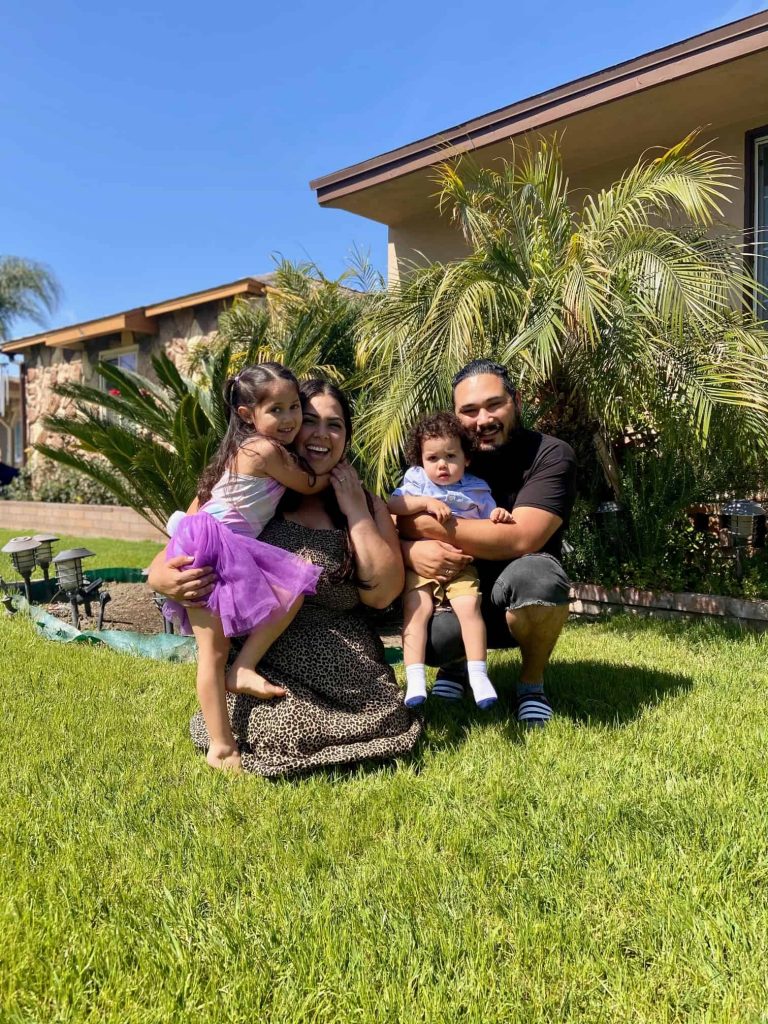 This week, my four-year-old daughter, Abigail Rose, told me that her best friend had punched her at school. I asked if she had told her teacher what happened and she said yes, and that he had gotten in “big trouble” for what he did.
Rather than being pleased her friend had been disciplined, my daughter was sad about it.
“Mom, I asked Ms. Valerie if his time out could be over because he already said he was sorry, and I already forgave him and he’s my friend,” she told me.
My big-hearted baby girl is growing up so quickly and I am so proud of so many of the choices she makes every day:
choices to be kind, gracious, loving, and compassionate. No one is even allowed to kill a bug in her presence because she says that God put her in this world to help care for all creatures, big and small.
So, how did I ever get so lucky? Truly, I don’t think luck has anything to do with it.
Children, from the earliest age, begin to absorb everything around them. The things they see, feel, hear, and experience in their earliest years of life become a part of who they are and who they will one day become. Our children may not remember every moment of their early childhood, but what they will always remember is how we made them feel. How I treat them now is how they will grow up to treat others.
My Abby is incredibly sweet and a wonderful little human, but she is also sassy and spicy and she gives me a run for my money!
I see so much of myself in her and whenever she is giving me a hard time, I try my best to react in love because I know that on my hardest days, I need a little extra love, too.
When she cries because it’s clean up time and the floor is literally covered in toys to the point where you can no longer see the carpet underneath, I validate her feelings and we clean up together because I know how it feels to be overwhelmed. When she is on edge right before her dance recital, I try to remember that she has a tummy full of butterflies and I let her know that it is okay to be nervous and that I’ll be there to support her, no matter what. I live by the golden rule with my children, always keeping in mind how I might feel in their shoes.
My second child, August Rain, was born with a neural tube defect that completely turned our world upside-down. He had a major spinal surgery at four months old, multiple hospitalizations, and a variety of challenges that we faced together as a family in his first two years of life.
There were times I held my daughter as I cried over her baby brother and I would explain that Mommy was feeling sad and scared and that everyone feels those things sometimes but what’s important is that we talk to someone that can help us to feel better, that we cry when we need to and that we don’t try to hide how we feel. I do not hide my heart from my children, I share it with them.
I see now how those experiences have left life-long impressions on my daughter’s heart. Last week, I had a mini meltdown at my computer when August interrupted me for the 500th time while I was busy working and I just couldn’t hold back my tears any longer.
Abby came up and said, “It’s okay, Mommy, I’m here to help you feel better.” Oh, my heart.
Becoming a special needs mom has made me even more passionate about my mission to spread kindness by raising kind kids.
I believe that the best way to raise kids with big hearts is to parent with a big heart. We lead by example and it can be incredibly challenging to be that role model of grace and kindness all the time but when we see our babies growing into these amazing, compassionate little people, it is absolutely worth it.
This week, my four-year-old daughter, Abigail Rose, told me that her best friend had punched her at school. I asked if she had told her teacher what happened and she said yes, and that he had gotten in “big trouble” for what he did.
Rather than being pleased her friend had been disciplined, my daughter was sad about it.
“Mom, I asked Ms. Valerie if his time out could be over because he already said he was sorry, and I already forgave him and he’s my friend,” she told me.
My big-hearted baby girl is growing up so quickly and I am so proud of so many of the choices she makes every day:
choices to be kind, gracious, loving, and compassionate. No one is even allowed to kill a bug in her presence because she says that God put her in this world to help care for all creatures, big and small.
So, how did I ever get so lucky? Truly, I don’t think luck has anything to do with it.
Children, from the earliest age, begin to absorb everything around them. The things they see, feel, hear, and experience in their earliest years of life become a part of who they are and who they will one day become. Our children may not remember every moment of their early childhood, but what they will always remember is how we made them feel. How I treat them now is how they will grow up to treat others.
My Abby is incredibly sweet and a wonderful little human, but she is also sassy and spicy and she gives me a run for my money!
I see so much of myself in her and whenever she is giving me a hard time, I try my best to react in love because I know that on my hardest days, I need a little extra love, too.
When she cries because it’s clean up time and the floor is literally covered in toys to the point where you can no longer see the carpet underneath, I validate her feelings and we clean up together because I know how it feels to be overwhelmed. When she is on edge right before her dance recital, I try to remember that she has a tummy full of butterflies and I let her know that it is okay to be nervous and that I’ll be there to support her, no matter what. I live by the golden rule with my children, always keeping in mind how I might feel in their shoes.
My second child, August Rain, was born with a neural tube defect that completely turned our world upside-down. He had a major spinal surgery at four months old, multiple hospitalizations, and a variety of challenges that we faced together as a family in his first two years of life.
There were times I held my daughter as I cried over her baby brother and I would explain that Mommy was feeling sad and scared and that everyone feels those things sometimes but what’s important is that we talk to someone that can help us to feel better, that we cry when we need to and that we don’t try to hide how we feel. I do not hide my heart from my children, I share it with them.
I see now how those experiences have left life-long impressions on my daughter’s heart. Last week, I had a mini meltdown at my computer when August interrupted me for the 500th time while I was busy working and I just couldn’t hold back my tears any longer.
Abby came up and said, “It’s okay, Mommy, I’m here to help you feel better.” Oh, my heart.
Becoming a special needs mom has made me even more passionate about my mission to spread kindness by raising kind kids.
I believe that the best way to raise kids with big hearts is to parent with a big heart. We lead by example and it can be incredibly challenging to be that role model of grace and kindness all the time but when we see our babies growing into these amazing, compassionate little people, it is absolutely worth it.