

How to Raise an Empathetic Child: A Guide for the Parents of Children 2 – 6
In a time when we are surrounded by news stories of hatred and division, raising kids who are not only empathetic but act on it to support others definitely sounds like an appealing antidote. Plus, hundreds of research studies show that performing acts of kindness increases happiness and well-being.(^1)
The encouraging news is that supporting others is a natural impulse. In fact, children show an inclination to help and support others as early as infancy.(^2) At thirteen months, children will show comforting behaviors to others by hugging or patting.(^3) As they mature in their social and cognitive abilities, they learn how to better understand others’ needs and offer their support.
But don’t mistake this as a reason to take a back seat when it comes to actively teaching empathy; support (and modeling of these behaviors!) from grownups is critical. And the value of helping cannot be overstated — in many ways our survival depends on the care and cooperation in our social community.(^4) Here are some ideas to encourage empathy in children:
2 – 4 Years Old
- Practice recognizing others’ emotions.
For young children, just learning how to recognize that someone is in need is a good first step. Help your child notice the signs when help, or emotional support is needed, even if they’re not able to do something about it. For instance, children may notice and look concerned about another child crying, but feel overwhelmed by the child’s cries and avoid intervening. You can still teach them to look for the signs as a way to start building empathy. - Talk about what they like.
Children will try to help others by doing things that make them feel good. For example, a child who loves physical affection may want to hug everyone to show their love, or a child who takes comfort in books may want to share a story with a loved one.(^5) It’s perfectly fine for kids to learn about helping others by thinking about their own likes and interests, but then start to encourage them to think about and recognize what others like, too. - Encourage sharing.
Sharing can be tough, but it’s a good introduction to supporting others, especially for little ones. Point out how it makes the other person feel when you share. Keep in mind that children may avoid these actions when it takes greater emotion regulation. For instance, a child could feel more reluctant about sharing their favorite toy than a less-favored toy.(^3)
4 – 6 Years Old
- Practice perspective taking.
Children begin to recognize that other people may not only have different emotions and beliefs but that they may express those emotions differently.(^6,7) Help your child identify and even celebrate this by comparing and contrasting likes and interests with close family members or friends. Learning to notice others’ thoughts and feelings can go a long way in offering them support. - Encourage acting on empathy.
This is an age where kids can begin to recognize when someone needs help even if the person in need does not ask. When your child sees others feeling sad or upset, talk to them about what action they can take (for example, helping a friend who is crying to find the teacher, or trying to stop another child from hitting, etc.).(^8)
- Talk about fairness & morality .
At this age, kids are beginning to develop an understanding of fairness and justice, and use these as reasons to help other people and share resources.(^9)You might not be able to make things fair or “right,” but you can talk to kids about how to offer help.
Act on Empathy as a Family
- Model empathetic behaviors. It’s easy to say we want our kids to be empathetic, but are we as adults doing the same? For better or for worse, our kids often pick up on things that seem commonplace to us. From the way we talk to (or about) a server, or someone on the phone, model the kind of interactions you hope your child will have with others.
- Recognize & engage in acts of kindness. Notice when others are kind to each other or act kindly towards you. For example, “It was nice of that driver to let us go by first” or “It made me smile when that man held the door open for that lady.” Then engage in acts of kindness yourselves! Write kind messages to strangers with chalk on the sidewalk. Leave a surprise gift for a loved one just because.
- Check-in on elderly family members or neighbors. Send them a handmade card or drop off a care package. Rake their leaves, take the time to have a conversation, and try to anticipate their needs.
- Donate to a local charity or food bank. If you can, research local charities with your child and decide on one to contribute to. You can even go door-to-door collecting items needed at a local shelter.
- Get out of your comfort zone. Whether you and your child serve meals at a local soup kitchen, or go pick up trash to help our shared planet, it’s the experience of doing that’s often most impactful for adults and children alike.
References
- Hui, B. P. H., Ng, J. C. K., Berzaghi, E., Cunningham-Amos, L. A., & Kogan, A. (2020). Rewards of kindness? A meta-analysis of the link between prosociality and well-being. Psychological Bulletin, 146(12), 1084–1116. https://doi.org/10.1037/bul0000298
- Dahl, A. (2015). The developing social context of infant helping in two U.S. samples. Child Development 86(4), 1080–93. https://doi.org/10.1111/cdev.12361.
- Svetlova, M., Nichols, S. R., & Brownell, C. A. (2010). Toddlers’ prosocial behavior: From instrumental to empathic to altruistic helping. Child Development, 81(6), 1814–1827. https://doi.org/10.1111/j.1467-8624.2010.01512.x
- Tomasello, Michael. Why We Cooperate. Cambridge, MA, US: MIT Press, 2009.
- Kohm, K. E., Holmes, R. M., Romeo, L., & Koolidge, L. (2016). The connection between shared storybook readings, children’s imagination, social interactions, affect, prosocial behavior, and social play. International Journal of Play, 5(2), 128-140.
- Wellman, H. M., & Liu, D. (2004). Scaling of theory‐of‐mind tasks. Child Development, 75(2), 523-541.
- Imuta, K., Henry, J. D., Slaughter, V., Selcuk, B., & Ruffman, T. (2016). Theory of mind and prosocial behavior in childhood: A meta-analytic review. Developmental Psychology, 52(8), 1192-1205.
- Eisenberg, N., Spinrad, T. L., & Sadovsky, A. (2006). Empathy-related responding in children. In M. Killen & J. G. Smetana (Eds.), Handbook of Moral Development (p. 517–549). Lawrence Erlbaum Associates Publishers.
- Lu, H. J., & Chang, L. (2016). Resource allocation to kin, friends, and strangers by 3-to 6-year-old children. Journal of Experimental Child Psychology, 150, 194-206.
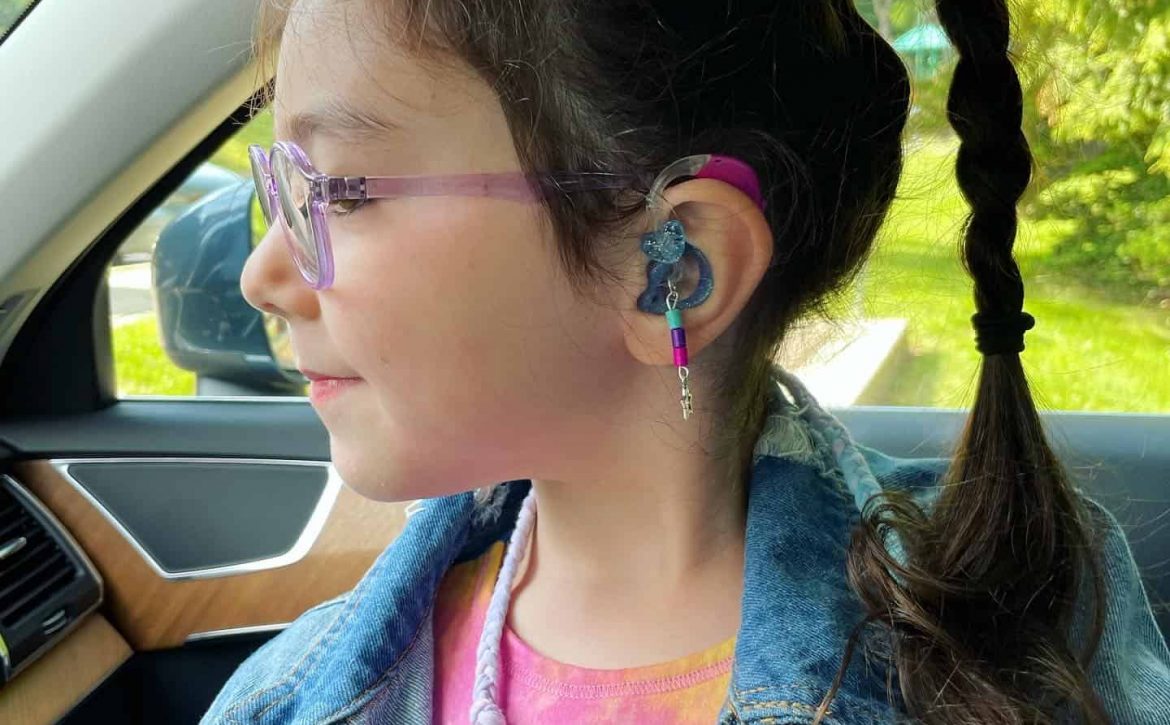
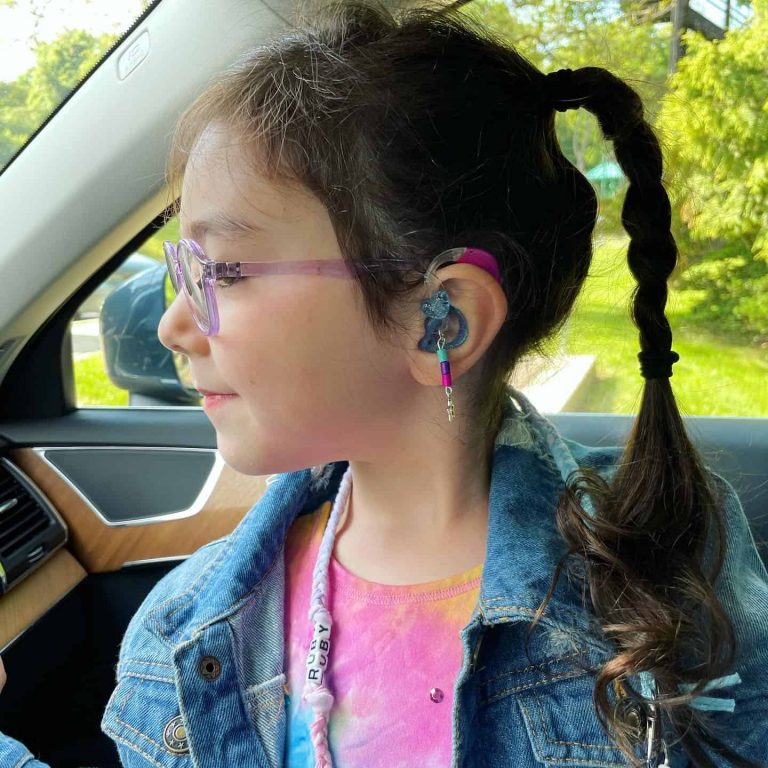



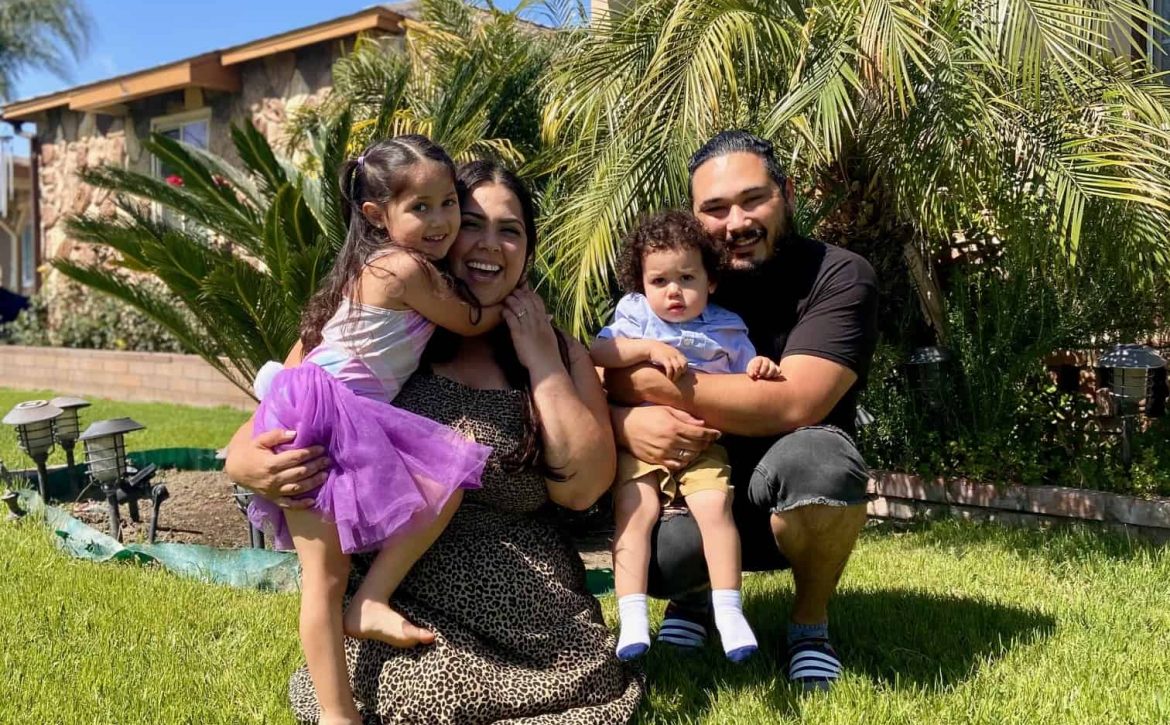
 This week, my four-year-old daughter, Abigail Rose, told me that her best friend had punched her at school. I asked if she had told her teacher what happened and she said yes, and that he had gotten in “big trouble” for what he did.
Rather than being pleased her friend had been disciplined, my daughter was sad about it.
“Mom, I asked Ms. Valerie if his time out could be over because he already said he was sorry, and I already forgave him and he’s my friend,” she told me.
My big-hearted baby girl is growing up so quickly and I am so proud of so many of the choices she makes every day:
choices to be kind, gracious, loving, and compassionate. No one is even allowed to kill a bug in her presence because she says that God put her in this world to help care for all creatures, big and small.
So, how did I ever get so lucky? Truly, I don’t think luck has anything to do with it.
Children, from the earliest age, begin to absorb everything around them. The things they see, feel, hear, and experience in their earliest years of life become a part of who they are and who they will one day become. Our children may not remember every moment of their early childhood, but what they will always remember is how we made them feel. How I treat them now is how they will grow up to treat others.
My Abby is incredibly sweet and a wonderful little human, but she is also sassy and spicy and she gives me a run for my money!
I see so much of myself in her and whenever she is giving me a hard time, I try my best to react in love because I know that on my hardest days, I need a little extra love, too.
When she cries because it’s clean up time and the floor is literally covered in toys to the point where you can no longer see the carpet underneath, I validate her feelings and we clean up together because I know how it feels to be overwhelmed. When she is on edge right before her dance recital, I try to remember that she has a tummy full of butterflies and I let her know that it is okay to be nervous and that I’ll be there to support her, no matter what. I live by the golden rule with my children, always keeping in mind how I might feel in their shoes.
My second child, August Rain, was born with a neural tube defect that completely turned our world upside-down. He had a major spinal surgery at four months old, multiple hospitalizations, and a variety of challenges that we faced together as a family in his first two years of life.
There were times I held my daughter as I cried over her baby brother and I would explain that Mommy was feeling sad and scared and that everyone feels those things sometimes but what’s important is that we talk to someone that can help us to feel better, that we cry when we need to and that we don’t try to hide how we feel. I do not hide my heart from my children, I share it with them.
I see now how those experiences have left life-long impressions on my daughter’s heart. Last week, I had a mini meltdown at my computer when August interrupted me for the 500th time while I was busy working and I just couldn’t hold back my tears any longer.
Abby came up and said, “It’s okay, Mommy, I’m here to help you feel better.” Oh, my heart.
Becoming a special needs mom has made me even more passionate about my mission to spread kindness by raising kind kids.
I believe that the best way to raise kids with big hearts is to parent with a big heart. We lead by example and it can be incredibly challenging to be that role model of grace and kindness all the time but when we see our babies growing into these amazing, compassionate little people, it is absolutely worth it.
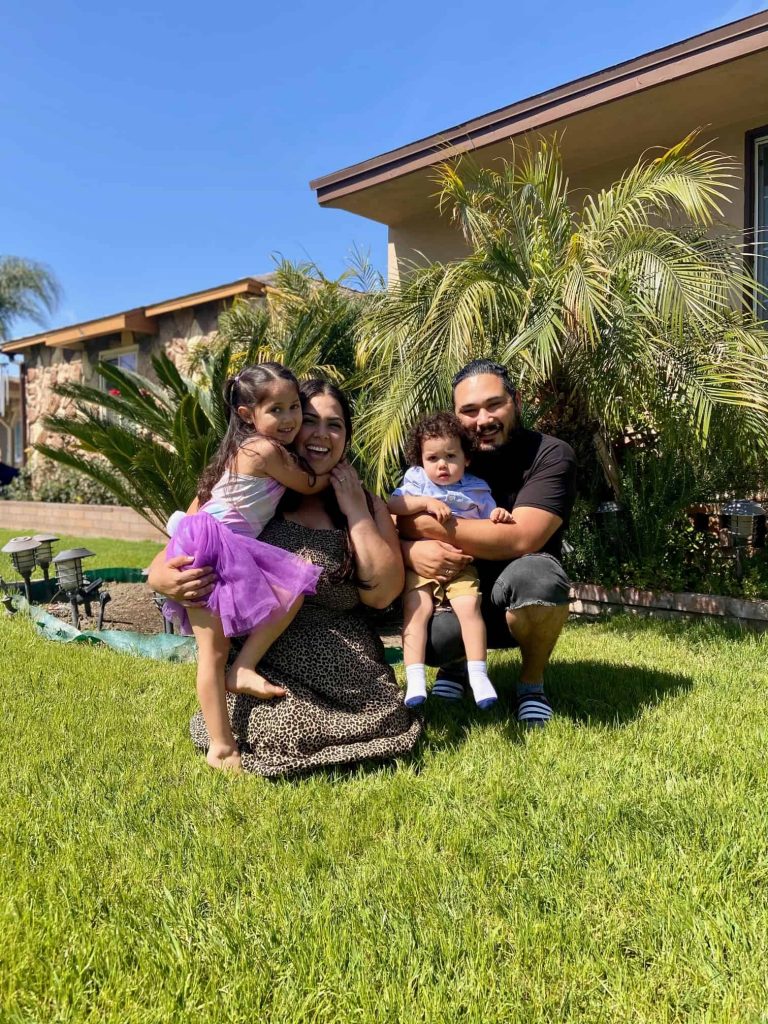
This week, my four-year-old daughter, Abigail Rose, told me that her best friend had punched her at school. I asked if she had told her teacher what happened and she said yes, and that he had gotten in “big trouble” for what he did.
Rather than being pleased her friend had been disciplined, my daughter was sad about it.
“Mom, I asked Ms. Valerie if his time out could be over because he already said he was sorry, and I already forgave him and he’s my friend,” she told me.
My big-hearted baby girl is growing up so quickly and I am so proud of so many of the choices she makes every day:
choices to be kind, gracious, loving, and compassionate. No one is even allowed to kill a bug in her presence because she says that God put her in this world to help care for all creatures, big and small.
So, how did I ever get so lucky? Truly, I don’t think luck has anything to do with it.
Children, from the earliest age, begin to absorb everything around them. The things they see, feel, hear, and experience in their earliest years of life become a part of who they are and who they will one day become. Our children may not remember every moment of their early childhood, but what they will always remember is how we made them feel. How I treat them now is how they will grow up to treat others.
My Abby is incredibly sweet and a wonderful little human, but she is also sassy and spicy and she gives me a run for my money!
I see so much of myself in her and whenever she is giving me a hard time, I try my best to react in love because I know that on my hardest days, I need a little extra love, too.
When she cries because it’s clean up time and the floor is literally covered in toys to the point where you can no longer see the carpet underneath, I validate her feelings and we clean up together because I know how it feels to be overwhelmed. When she is on edge right before her dance recital, I try to remember that she has a tummy full of butterflies and I let her know that it is okay to be nervous and that I’ll be there to support her, no matter what. I live by the golden rule with my children, always keeping in mind how I might feel in their shoes.
My second child, August Rain, was born with a neural tube defect that completely turned our world upside-down. He had a major spinal surgery at four months old, multiple hospitalizations, and a variety of challenges that we faced together as a family in his first two years of life.
There were times I held my daughter as I cried over her baby brother and I would explain that Mommy was feeling sad and scared and that everyone feels those things sometimes but what’s important is that we talk to someone that can help us to feel better, that we cry when we need to and that we don’t try to hide how we feel. I do not hide my heart from my children, I share it with them.
I see now how those experiences have left life-long impressions on my daughter’s heart. Last week, I had a mini meltdown at my computer when August interrupted me for the 500th time while I was busy working and I just couldn’t hold back my tears any longer.
Abby came up and said, “It’s okay, Mommy, I’m here to help you feel better.” Oh, my heart.
Becoming a special needs mom has made me even more passionate about my mission to spread kindness by raising kind kids.
I believe that the best way to raise kids with big hearts is to parent with a big heart. We lead by example and it can be incredibly challenging to be that role model of grace and kindness all the time but when we see our babies growing into these amazing, compassionate little people, it is absolutely worth it.