Parenting With a Big Heart: Hear With Ruby
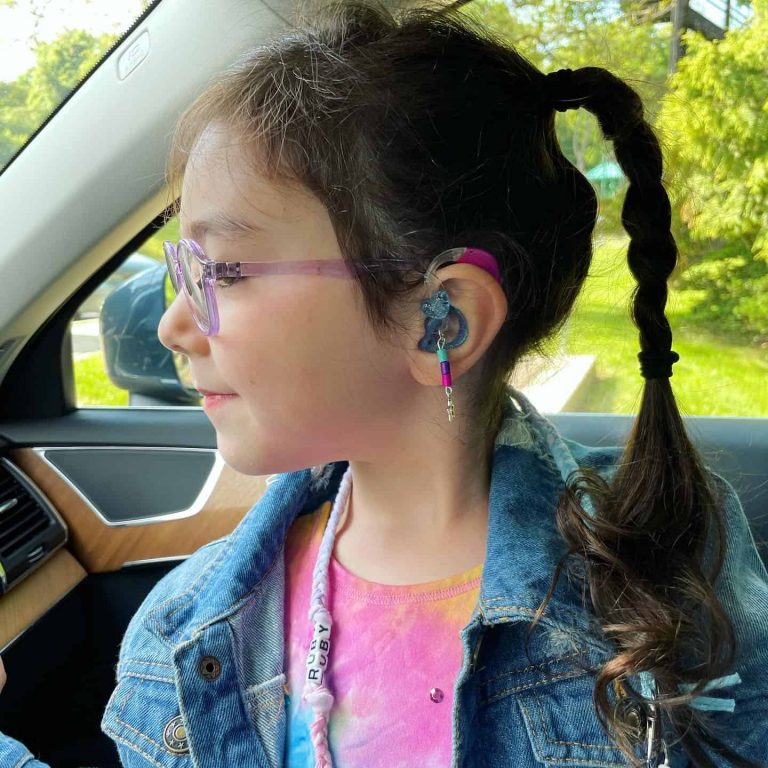
A few weeks before our daughter’s fourth birthday, we learned she is moderately hearing impaired bilaterally. After a third audiology evaluation and a confirmed diagnosis, I stood in the ENT’s office trying to absorb what it all meant; for Ruby’s happiness, for her experiences, for her health, and for her confidence.
I could feel the rising pressure of shock in my body, quickening my pulse and threatening my control of the moment we were in.
Swirling amidst the quick actions to take (we had to have earmold impressions taken right away) and decisions to be made (we had to choose a model of hearing aids) were the surprise, concern, and unanswered questions. I was also shocked and anxious over the price tag. At the height of the pandemic, when only one parent could attend the doctor’s visit, I stood alone with three strong forces: our bold, bright, bubbly daughter; the implications of a lifelong, expensive medical diagnosis; and the pressure to explain, quickly, her newest opportunity to meet a challenge head on.
How do I explain this sudden new reality for our daughter? How do I make this all feel manageable and safe for her?
“How do I explain this sudden new reality for our daughter? How do I make this all feel manageable and safe for her?”
Framing “Disability” as “Opportunity”

My instinct was to keep it simple, empowering, and positive. What came out was something like, “Hey Ruby, you know how your eyes need some help to see, and so you wear glasses? Well, the doctors have told us that your ears need some help to hear. So now you get to wear hearing aids to help you hear the whole world. And you can choose any color for the aids that you want. You’re so lucky!”
I am not sure I realized it at the time, but explaining Ruby’s hearing loss to her in a strength-based way set us on a meaningful path. This reality has given a
clarity to the voice with which I introduce my daughter to her world, and a purpose to my parenting of my child, who by definition has a “physical disability” but more importantly, a powerful opportunity.
Four Lessons: Reframing Challenge
Ultimately, there are four experiences I hope Ruby embraces alongside her hearing loss:
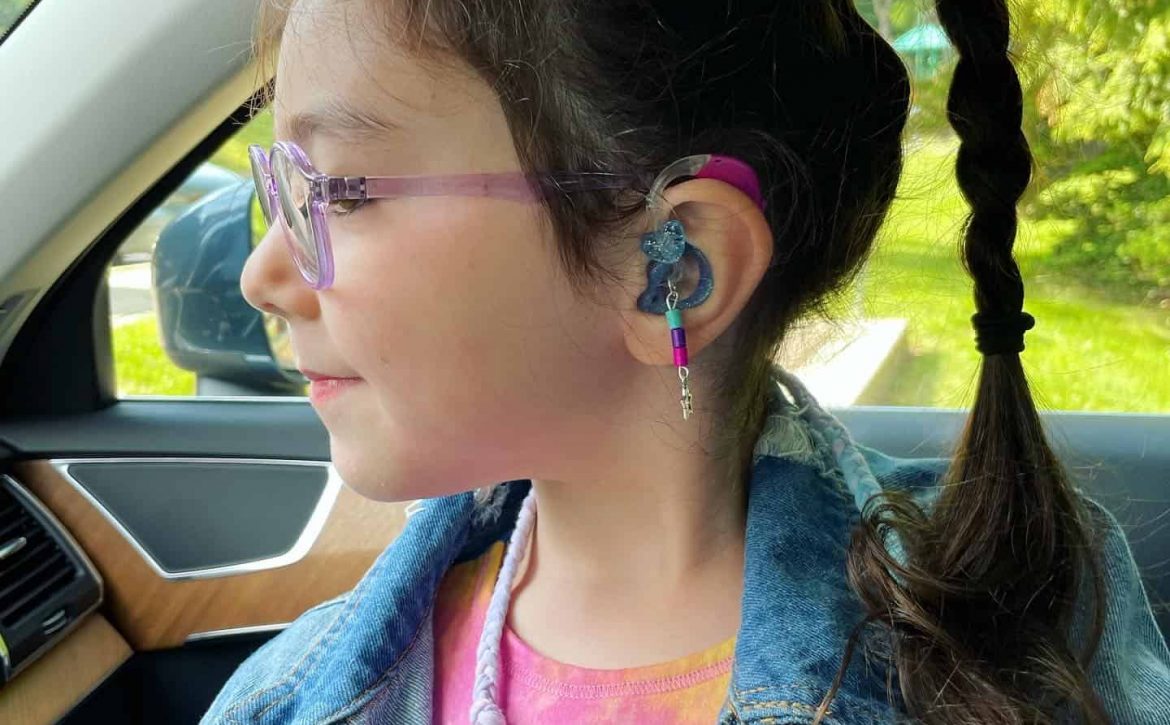
- Confidence: We have always told Ruby that uniqueness is what makes each person beautiful, and discovering what makes you and others’ unique is the most fun part of life. We leaned hard into loving Ruby’s “super ears,” purchasing sparkly charms to attach to them, ordering dolls wearing aids just like her, and quickly finding role models in her world she could see her beautiful self in. We worked with her to create a visual story about her hearing loss and her super ears, so she could use it to explain her new accessories to her friends, teachers, and family. While we never want her to feel defined by her aids, we do always want her to walk into a room ears first, proud of them as one of the many things that make her unique.
- Gratitude: Our family’s sense of gratefulness for the privilege to be able to provide our children with all they need to fully participate in the world will always overshadow the concerns and challenges we have with hearing loss. Our gratitude motivates us to surround Ruby with opportunities to help others experience the gifts of technology and services that she is fortunate to have.
- Empowerment: It is our hope that Ruby grows up knowing that while she might experience feeling “different” at times, and face some challenges, these challenges are not impediments to her goals. On the contrary, we hope she grows up motivated by the knowledge that she is able, capable, and expected to help others not in spite of her differences or difficulties, but because of them. In the creation of Hear With Ruby, our family’s fund that supports and advocates for families with children with hearing loss, we hope that Ruby feels empowered to use her experiences as a hearing impaired child for good.
- Advocacy: One of the main goals of Hear With Ruby is education; and one of our biggest hopes for Ruby is a strong voice of self-advocacy. In advocating, she is teaching about hearing loss and accepting people of all abilities, and thus making the world a more accessible, empathic, and inclusive place not just for herself, but for all the children who have felt different, or differently abled, in some way.
“Super Ears” For a Super Girl
In every challenge there is beauty and learning to be found.
On Ruby’s first day wearing her aids, she said to us, outside on her swing set, “Mom, that’s God! That’s God, whispering to me in the wind!”
I love that Ruby’s hearing aids have helped her hear the wind around her, which to her, felt like a whisper from God. I love that I have learned so much about who she is through her journey learning to hear the whole world.
I love that in being presented with a new challenge, we decided to see it as an opportunity to grow and heal the world as we navigate it.
And I really love Ruby’s super ears for the way they have given purpose and clarity to my role as her mom, helping her navigate her world and love herself exactly the way she is.


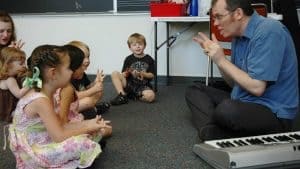
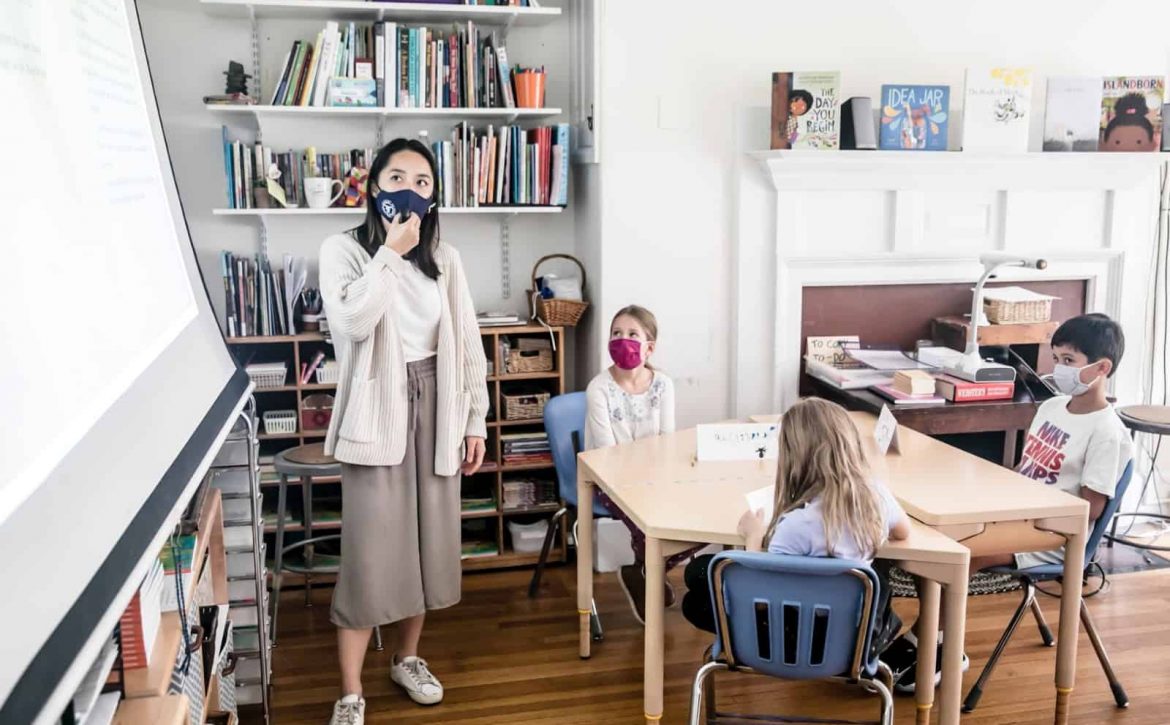
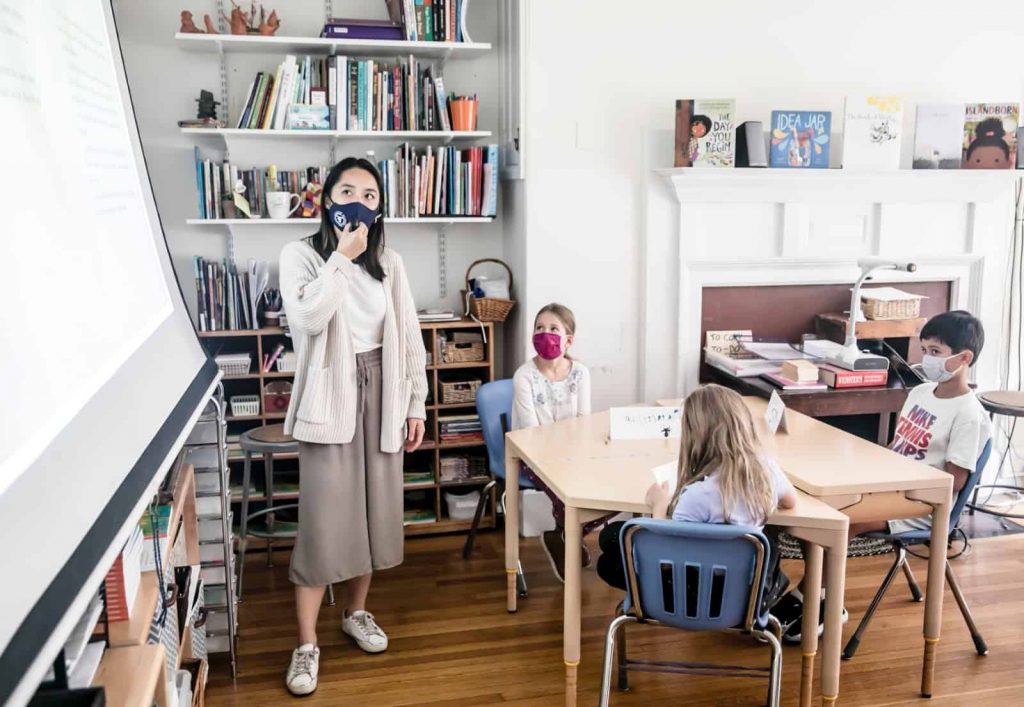
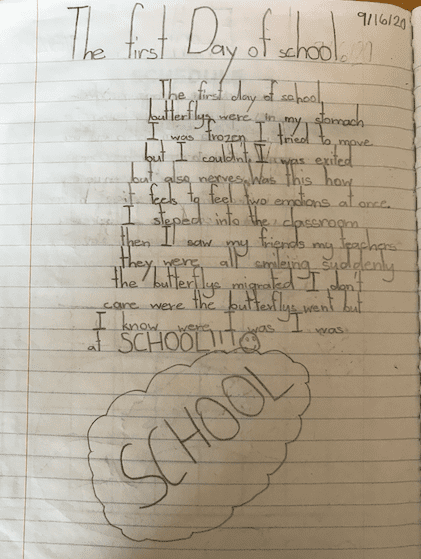
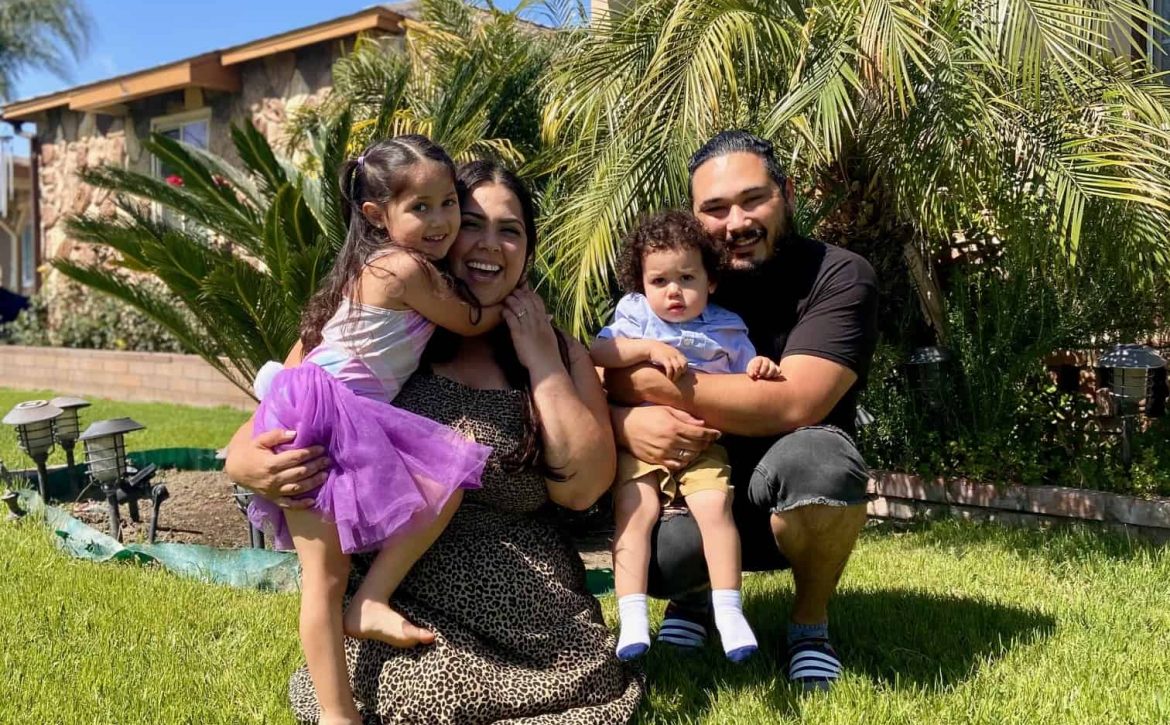
 This week, my four-year-old daughter, Abigail Rose, told me that her best friend had punched her at school. I asked if she had told her teacher what happened and she said yes, and that he had gotten in “big trouble” for what he did.
Rather than being pleased her friend had been disciplined, my daughter was sad about it.
“Mom, I asked Ms. Valerie if his time out could be over because he already said he was sorry, and I already forgave him and he’s my friend,” she told me.
My big-hearted baby girl is growing up so quickly and I am so proud of so many of the choices she makes every day:
choices to be kind, gracious, loving, and compassionate. No one is even allowed to kill a bug in her presence because she says that God put her in this world to help care for all creatures, big and small.
So, how did I ever get so lucky? Truly, I don’t think luck has anything to do with it.
Children, from the earliest age, begin to absorb everything around them. The things they see, feel, hear, and experience in their earliest years of life become a part of who they are and who they will one day become. Our children may not remember every moment of their early childhood, but what they will always remember is how we made them feel. How I treat them now is how they will grow up to treat others.
My Abby is incredibly sweet and a wonderful little human, but she is also sassy and spicy and she gives me a run for my money!
I see so much of myself in her and whenever she is giving me a hard time, I try my best to react in love because I know that on my hardest days, I need a little extra love, too.
When she cries because it’s clean up time and the floor is literally covered in toys to the point where you can no longer see the carpet underneath, I validate her feelings and we clean up together because I know how it feels to be overwhelmed. When she is on edge right before her dance recital, I try to remember that she has a tummy full of butterflies and I let her know that it is okay to be nervous and that I’ll be there to support her, no matter what. I live by the golden rule with my children, always keeping in mind how I might feel in their shoes.
My second child, August Rain, was born with a neural tube defect that completely turned our world upside-down. He had a major spinal surgery at four months old, multiple hospitalizations, and a variety of challenges that we faced together as a family in his first two years of life.
There were times I held my daughter as I cried over her baby brother and I would explain that Mommy was feeling sad and scared and that everyone feels those things sometimes but what’s important is that we talk to someone that can help us to feel better, that we cry when we need to and that we don’t try to hide how we feel. I do not hide my heart from my children, I share it with them.
I see now how those experiences have left life-long impressions on my daughter’s heart. Last week, I had a mini meltdown at my computer when August interrupted me for the 500th time while I was busy working and I just couldn’t hold back my tears any longer.
Abby came up and said, “It’s okay, Mommy, I’m here to help you feel better.” Oh, my heart.
Becoming a special needs mom has made me even more passionate about my mission to spread kindness by raising kind kids.
I believe that the best way to raise kids with big hearts is to parent with a big heart. We lead by example and it can be incredibly challenging to be that role model of grace and kindness all the time but when we see our babies growing into these amazing, compassionate little people, it is absolutely worth it.
This week, my four-year-old daughter, Abigail Rose, told me that her best friend had punched her at school. I asked if she had told her teacher what happened and she said yes, and that he had gotten in “big trouble” for what he did.
Rather than being pleased her friend had been disciplined, my daughter was sad about it.
“Mom, I asked Ms. Valerie if his time out could be over because he already said he was sorry, and I already forgave him and he’s my friend,” she told me.
My big-hearted baby girl is growing up so quickly and I am so proud of so many of the choices she makes every day:
choices to be kind, gracious, loving, and compassionate. No one is even allowed to kill a bug in her presence because she says that God put her in this world to help care for all creatures, big and small.
So, how did I ever get so lucky? Truly, I don’t think luck has anything to do with it.
Children, from the earliest age, begin to absorb everything around them. The things they see, feel, hear, and experience in their earliest years of life become a part of who they are and who they will one day become. Our children may not remember every moment of their early childhood, but what they will always remember is how we made them feel. How I treat them now is how they will grow up to treat others.
My Abby is incredibly sweet and a wonderful little human, but she is also sassy and spicy and she gives me a run for my money!
I see so much of myself in her and whenever she is giving me a hard time, I try my best to react in love because I know that on my hardest days, I need a little extra love, too.
When she cries because it’s clean up time and the floor is literally covered in toys to the point where you can no longer see the carpet underneath, I validate her feelings and we clean up together because I know how it feels to be overwhelmed. When she is on edge right before her dance recital, I try to remember that she has a tummy full of butterflies and I let her know that it is okay to be nervous and that I’ll be there to support her, no matter what. I live by the golden rule with my children, always keeping in mind how I might feel in their shoes.
My second child, August Rain, was born with a neural tube defect that completely turned our world upside-down. He had a major spinal surgery at four months old, multiple hospitalizations, and a variety of challenges that we faced together as a family in his first two years of life.
There were times I held my daughter as I cried over her baby brother and I would explain that Mommy was feeling sad and scared and that everyone feels those things sometimes but what’s important is that we talk to someone that can help us to feel better, that we cry when we need to and that we don’t try to hide how we feel. I do not hide my heart from my children, I share it with them.
I see now how those experiences have left life-long impressions on my daughter’s heart. Last week, I had a mini meltdown at my computer when August interrupted me for the 500th time while I was busy working and I just couldn’t hold back my tears any longer.
Abby came up and said, “It’s okay, Mommy, I’m here to help you feel better.” Oh, my heart.
Becoming a special needs mom has made me even more passionate about my mission to spread kindness by raising kind kids.
I believe that the best way to raise kids with big hearts is to parent with a big heart. We lead by example and it can be incredibly challenging to be that role model of grace and kindness all the time but when we see our babies growing into these amazing, compassionate little people, it is absolutely worth it.