

How to Raise an Empathetic Child: Tips From a Mother, Grandmother, and Educator
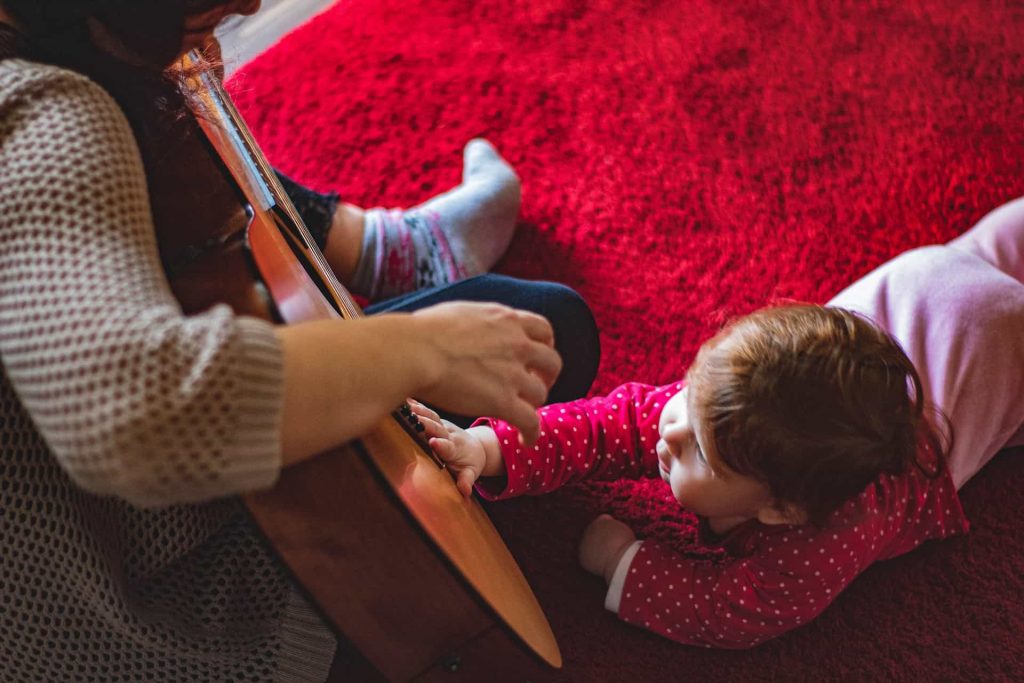
Brain scientists, educators, economists, and public health experts all agree that building a good foundation for healthy relationships begins at birth. The earlier that your child can adapt and develop key social-emotional skills — like attentiveness, persistence, and impulse control — the sooner they can begin engaging in healthy social interactions.
Young children aren’t necessarily born with the skills to engage in healthy relationships, but they ARE born with the potential to develop them.
Parents can teach young children empathy by being the example. Show empathy daily to your children, family, and others in your community. When you show empathy, talk it through with your child and be attentive to their feelings. Use language like: “I know that was hard for you, you seemed sad but you’re safe and loved.” This language will help children become aware of their own emotions and feelings and it will help them become empathetic to others.
A Quick Empathy Checklist for Parents:
- Explore your child’s emotions together and engage them in imaginative play to learn how to express feelings and better manage their emotions before starting preschool.
- Teach your child that it’s okay to have whatever feeling they are having — anger, frustration, embarrassment, fear, even rage — but that it is not acceptable for their actions to cross over and affect someone else negatively.
- Teach your child that it’s good to pay attention to others’ feelings and to try to understand why someone else is having negative feelings. There is probably a good reason their friend is feeling angry or afraid.
- Teach your child that it’s never okay for them or anyone else to use their feelings as an excuse to hurt or yell at someone.
Parents play an important role along with teachers in laying a strong foundation for social-emotional skills that will help children form healthy relationships.
Family Activities to Practice Empathy
Here are two fun family activities that you can do at home with your little one to help teach them about empathy:
Make a Kindness Tree
The Kindness Tree is a symbolic way to record kind and helpful actions. Family members place leaves or notes on the tree to represent kind and helpful acts. Parents can notice these acts by saying, “You __(describe the action)__ so __(describe how it impacted others)__. That was helpful/kind!” For example, “Shubert helped Sophie get dressed so we would be on time for our library playdate. That was helpful!”
The Kindness Tree can also grow with families who have children of mixed ages. Initially, young children simply put a leaf on the tree to represent kind and helpful acts. As children grow and learn to write, the ritual evolves to include writing the kind acts down on leaves or sticky notes. Start your own Kindness Tree with this template.
Families with older children can simply use a Kindness Notebook to record kind acts and read them aloud daily or weekly.
Create a “We Care” Center
The We Care Center provides a way for family members to express caring and empathy for others. Fill your We Care Center with supplies like first aid items (Band-Aids, wet wipes, hand sanitizer, scented lotion), card-making supplies (preprinted cards, paper, crayons, sentence starters), and a tiny stuffed animal for cuddling.
When a friend or family member is ill, hurt, or having a hard time, your family can go to the We Care Basket to find a way to show that person you care. At first, parents might need to suggest how and when to use the We Care Center, but your children will quickly understand the intent. The We Care Center encourages the development of empathy by providing a means for children to offer caring and thoughtfulness to others every day.

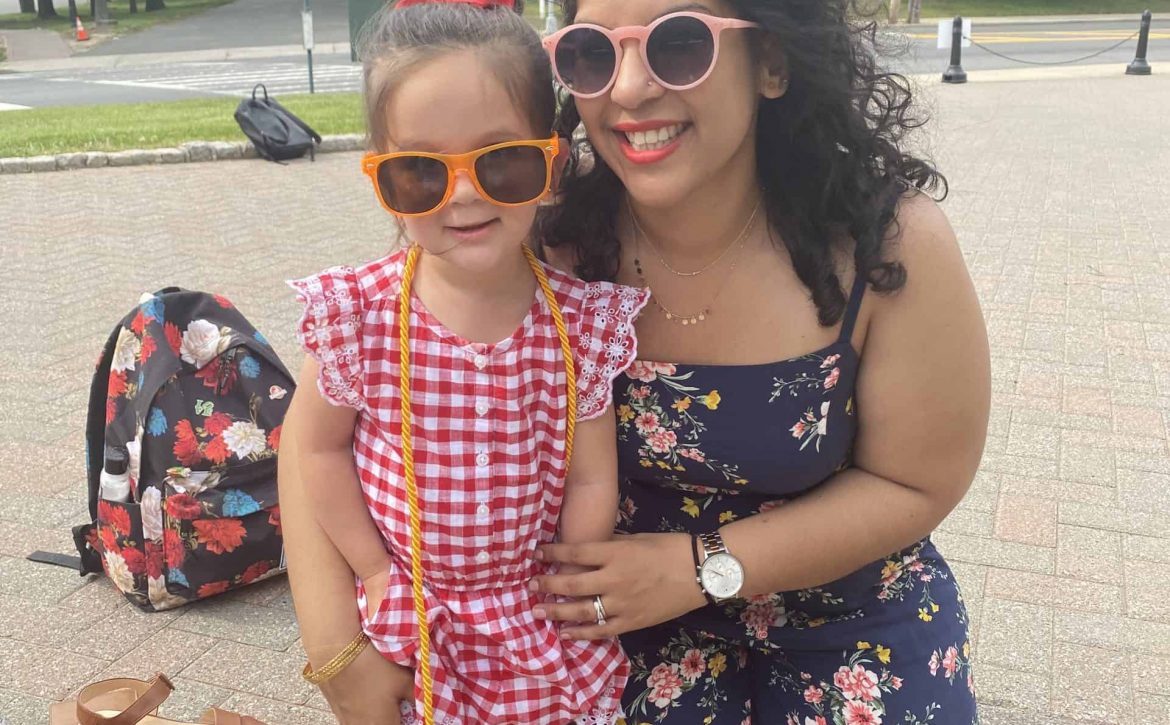
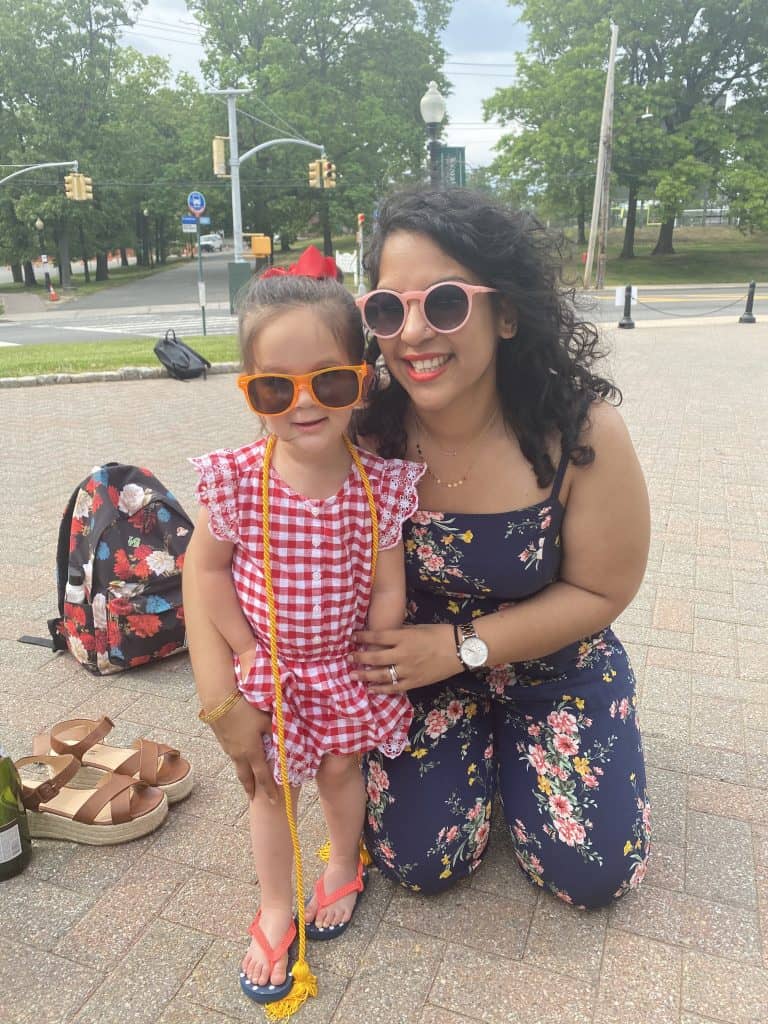


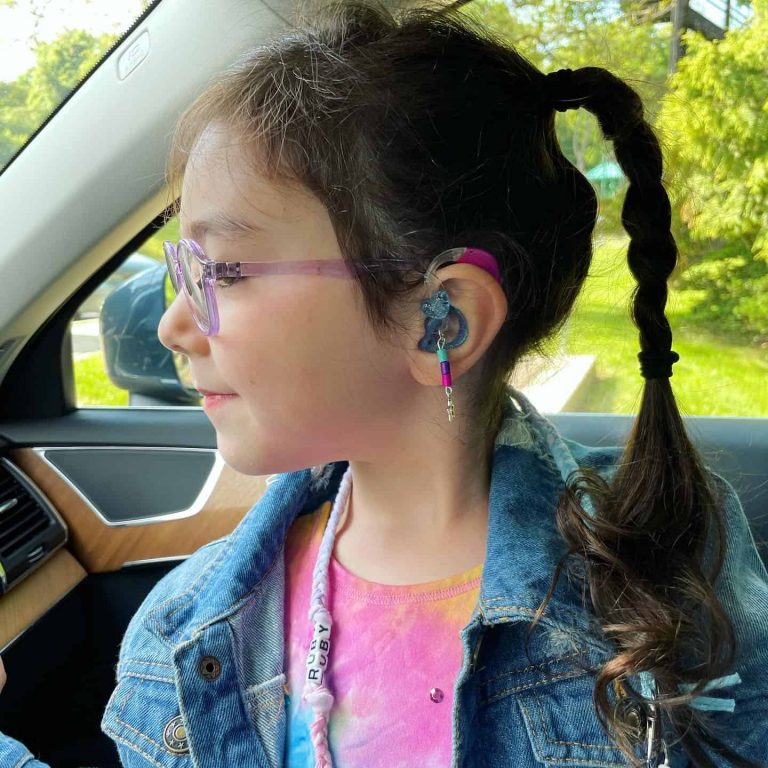



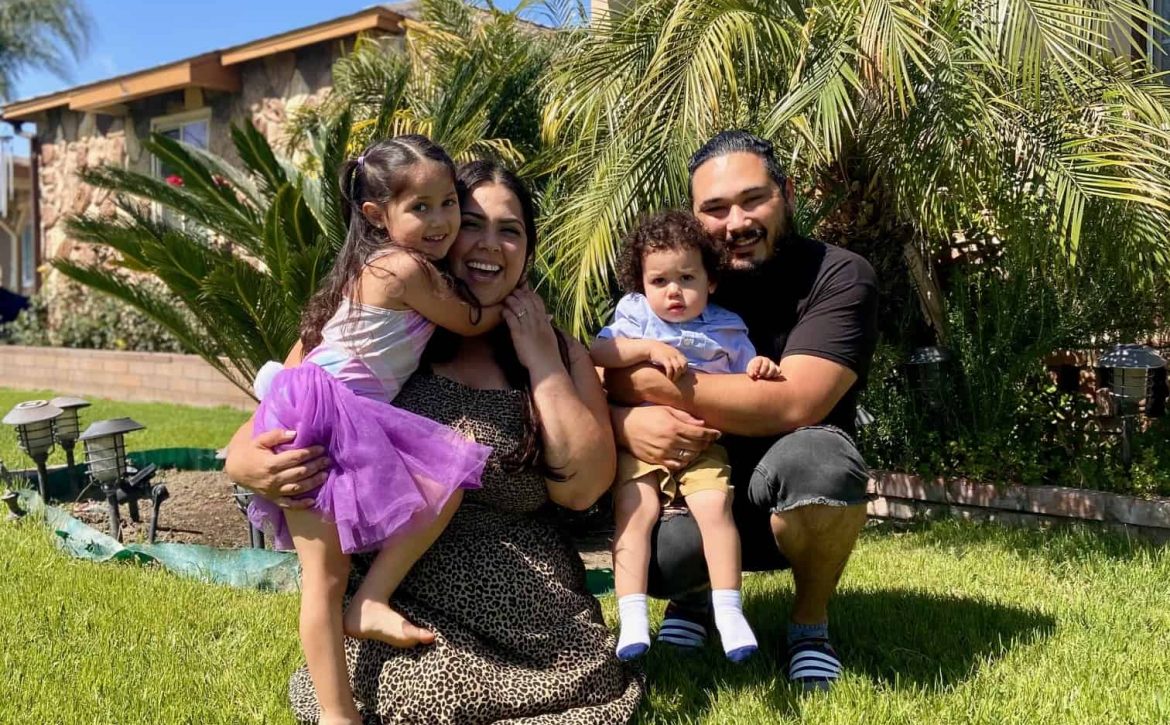
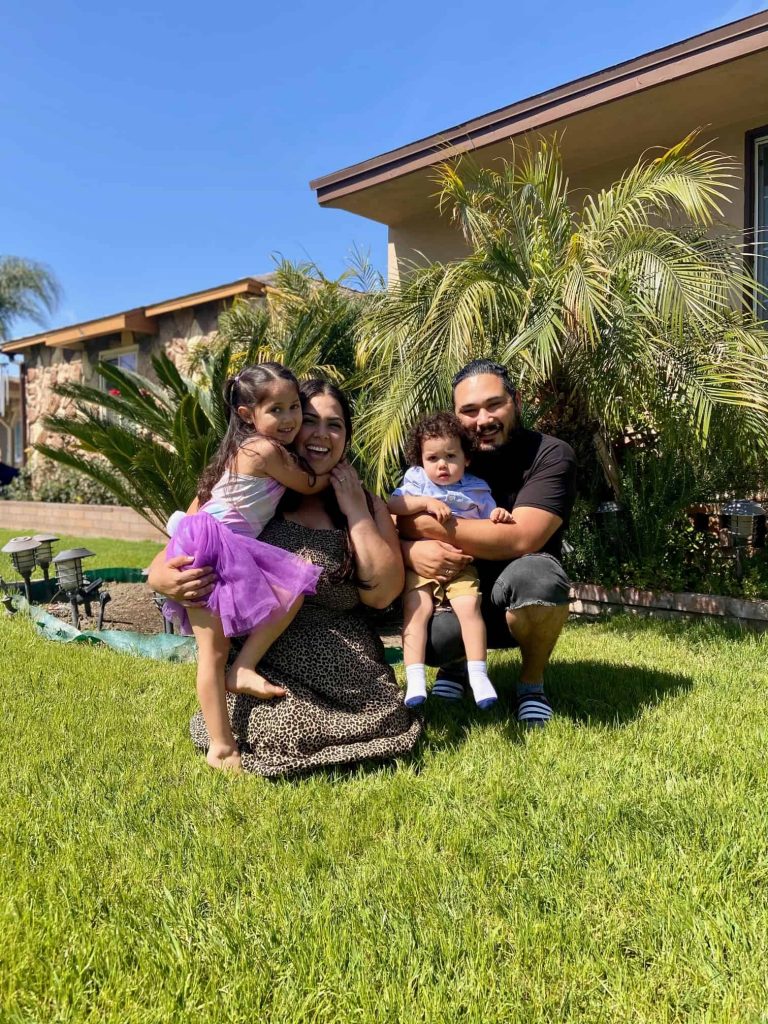 This week, my four-year-old daughter, Abigail Rose, told me that her best friend had punched her at school. I asked if she had told her teacher what happened and she said yes, and that he had gotten in “big trouble” for what he did.
Rather than being pleased her friend had been disciplined, my daughter was sad about it.
“Mom, I asked Ms. Valerie if his time out could be over because he already said he was sorry, and I already forgave him and he’s my friend,” she told me.
My big-hearted baby girl is growing up so quickly and I am so proud of so many of the choices she makes every day:
choices to be kind, gracious, loving, and compassionate. No one is even allowed to kill a bug in her presence because she says that God put her in this world to help care for all creatures, big and small.
So, how did I ever get so lucky? Truly, I don’t think luck has anything to do with it.
Children, from the earliest age, begin to absorb everything around them. The things they see, feel, hear, and experience in their earliest years of life become a part of who they are and who they will one day become. Our children may not remember every moment of their early childhood, but what they will always remember is how we made them feel. How I treat them now is how they will grow up to treat others.
My Abby is incredibly sweet and a wonderful little human, but she is also sassy and spicy and she gives me a run for my money!
I see so much of myself in her and whenever she is giving me a hard time, I try my best to react in love because I know that on my hardest days, I need a little extra love, too.
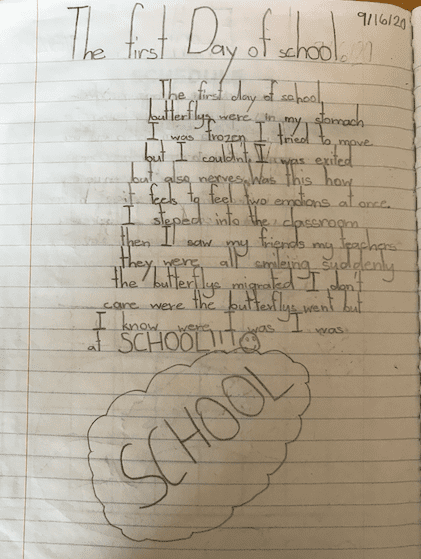
When she cries because it’s clean up time and the floor is literally covered in toys to the point where you can no longer see the carpet underneath, I validate her feelings and we clean up together because I know how it feels to be overwhelmed. When she is on edge right before her dance recital, I try to remember that she has a tummy full of butterflies and I let her know that it is okay to be nervous and that I’ll be there to support her, no matter what. I live by the golden rule with my children, always keeping in mind how I might feel in their shoes.
My second child, August Rain, was born with a neural tube defect that completely turned our world upside-down. He had a major spinal surgery at four months old, multiple hospitalizations, and a variety of challenges that we faced together as a family in his first two years of life.
There were times I held my daughter as I cried over her baby brother and I would explain that Mommy was feeling sad and scared and that everyone feels those things sometimes but what’s important is that we talk to someone that can help us to feel better, that we cry when we need to and that we don’t try to hide how we feel. I do not hide my heart from my children, I share it with them.
I see now how those experiences have left life-long impressions on my daughter’s heart. Last week, I had a mini meltdown at my computer when August interrupted me for the 500th time while I was busy working and I just couldn’t hold back my tears any longer.
Abby came up and said, “It’s okay, Mommy, I’m here to help you feel better.” Oh, my heart.
Becoming a special needs mom has made me even more passionate about my mission to spread kindness by raising kind kids.
I believe that the best way to raise kids with big hearts is to parent with a big heart. We lead by example and it can be incredibly challenging to be that role model of grace and kindness all the time but when we see our babies growing into these amazing, compassionate little people, it is absolutely worth it.
This week, my four-year-old daughter, Abigail Rose, told me that her best friend had punched her at school. I asked if she had told her teacher what happened and she said yes, and that he had gotten in “big trouble” for what he did.
Rather than being pleased her friend had been disciplined, my daughter was sad about it.
“Mom, I asked Ms. Valerie if his time out could be over because he already said he was sorry, and I already forgave him and he’s my friend,” she told me.
My big-hearted baby girl is growing up so quickly and I am so proud of so many of the choices she makes every day:
choices to be kind, gracious, loving, and compassionate. No one is even allowed to kill a bug in her presence because she says that God put her in this world to help care for all creatures, big and small.
So, how did I ever get so lucky? Truly, I don’t think luck has anything to do with it.
Children, from the earliest age, begin to absorb everything around them. The things they see, feel, hear, and experience in their earliest years of life become a part of who they are and who they will one day become. Our children may not remember every moment of their early childhood, but what they will always remember is how we made them feel. How I treat them now is how they will grow up to treat others.
My Abby is incredibly sweet and a wonderful little human, but she is also sassy and spicy and she gives me a run for my money!
I see so much of myself in her and whenever she is giving me a hard time, I try my best to react in love because I know that on my hardest days, I need a little extra love, too.
When she cries because it’s clean up time and the floor is literally covered in toys to the point where you can no longer see the carpet underneath, I validate her feelings and we clean up together because I know how it feels to be overwhelmed. When she is on edge right before her dance recital, I try to remember that she has a tummy full of butterflies and I let her know that it is okay to be nervous and that I’ll be there to support her, no matter what. I live by the golden rule with my children, always keeping in mind how I might feel in their shoes.
My second child, August Rain, was born with a neural tube defect that completely turned our world upside-down. He had a major spinal surgery at four months old, multiple hospitalizations, and a variety of challenges that we faced together as a family in his first two years of life.
There were times I held my daughter as I cried over her baby brother and I would explain that Mommy was feeling sad and scared and that everyone feels those things sometimes but what’s important is that we talk to someone that can help us to feel better, that we cry when we need to and that we don’t try to hide how we feel. I do not hide my heart from my children, I share it with them.
I see now how those experiences have left life-long impressions on my daughter’s heart. Last week, I had a mini meltdown at my computer when August interrupted me for the 500th time while I was busy working and I just couldn’t hold back my tears any longer.
Abby came up and said, “It’s okay, Mommy, I’m here to help you feel better.” Oh, my heart.
Becoming a special needs mom has made me even more passionate about my mission to spread kindness by raising kind kids.
I believe that the best way to raise kids with big hearts is to parent with a big heart. We lead by example and it can be incredibly challenging to be that role model of grace and kindness all the time but when we see our babies growing into these amazing, compassionate little people, it is absolutely worth it.