

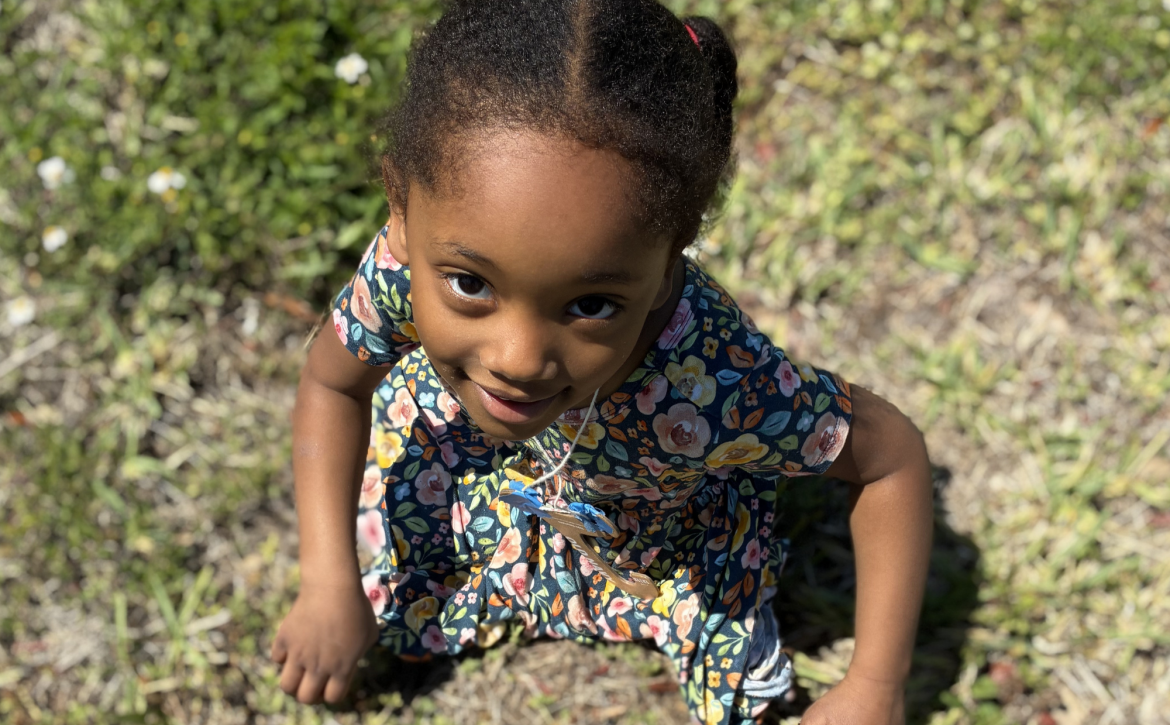
Nature Play Matters More Than You Think
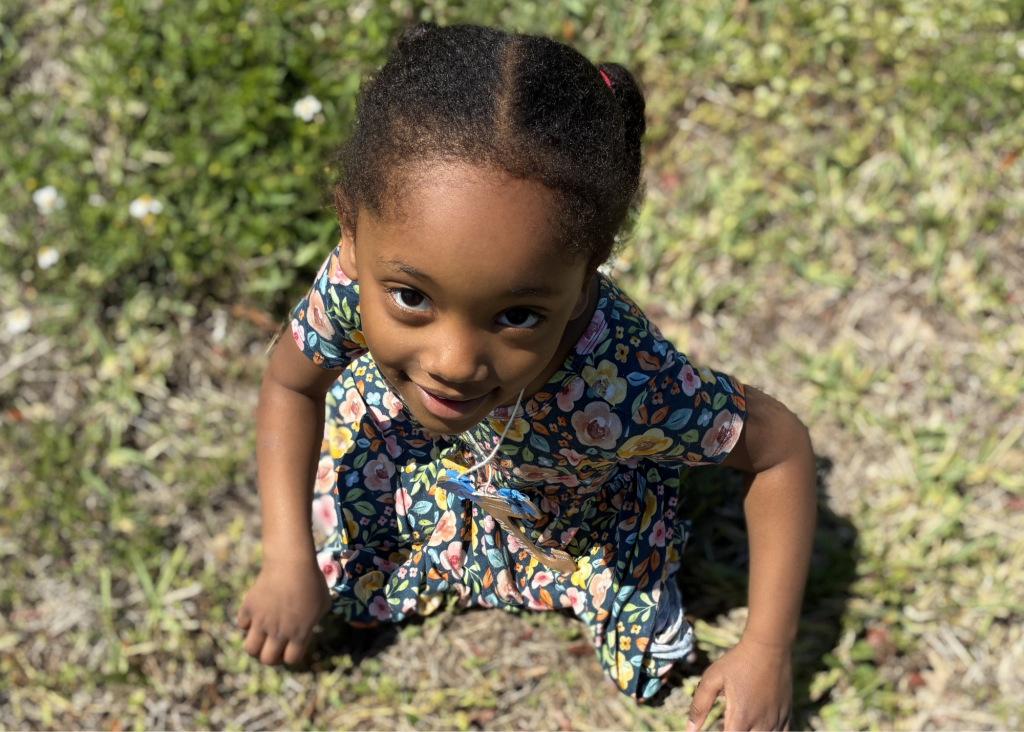
I’ve been working in early childhood education for years, and one of the things I keep coming back to — in research, in practice, and with my own children — is how powerful unstructured time in nature really is. Not a structured garden activity. Not a sensory bin shaped like a forest. Real outside time, with real sticks, real mud, real bugs, and real weather.
And yet, children today spend less time outdoors than any previous generation. Studies suggest kids now spend an average of four to seven minutes per day in unstructured outdoor play, and up to seven hours in front of screens. That gap is concerning because the research is clear: time in nature has clear, strong, and significant benefits for children.
According to the American Academy of Pediatrics (AAP) and related research, time in nature improves young children’s physical, mental, and emotional health by increasing activity levels, reducing obesity risks, and lessening stress. Nature-based play fosters creativity, strengthens immune systems, and boosts cognitive development through unstructured exploration, ultimately nurturing better focus and social skills.
My favorite thing, though, is to watch the social-emotional learning that happens as children navigate natural spaces. In groups, or on their own they are practicing risk assessment, conflict resolution, frustration tolerance, and problem-solving skills.
The inherent “risky” play (when appropriately supervised by an adult) offers lifelong benefits of its own including persistence, self-confidence, judgement, and even self-regulation.
The best part? All of these benefits are freely available to everyone, regardless of where you live — no special equipment, fancy sensory table, or extensive curriculum needed.
City parks or nature preserves, trees along busy streets or a forest full of leaves, a puddle or a stream, all offer opportunities for children to connect with nature.
So how can you get started? It’s as easy as stepping outside:
Keep it simple. You do not need expensive gear or elaborate plans. Start with 10–15 minutes outside each day. Walk around the block. Visit the same nearby park regularly. Let your child collect leaves, notice birds, splash in puddles, or watch ants. Follow their lead instead of planning every activity.
Slow down and stay quiet. Move at your child’s pace and let them enjoy feeling the wind in their hair, smelling the weeds, or watching the ants crawl along. Resist the urge to narrate, quiz, or redirect outdoor time toward “learning objectives” and allow the natural environment to do the teaching.
Dress for the weather. Many families find that with the right layers, most seasons can be outdoor seasons. Make sure that you’re BOTH comfortable to extend the time outside.
Most of all, remember that time in nature does not need to be perfect in order to be meaningful. A child who notices a worm on the sidewalk or feels wind on their face is learning. Small moments outside — repeated often — can help children grow stronger, calmer, more curious, and more connected to the world around them.