
Celebrating Read Across America: A Q&A with Meaghan Penrod on Reading Together and Early Literacy
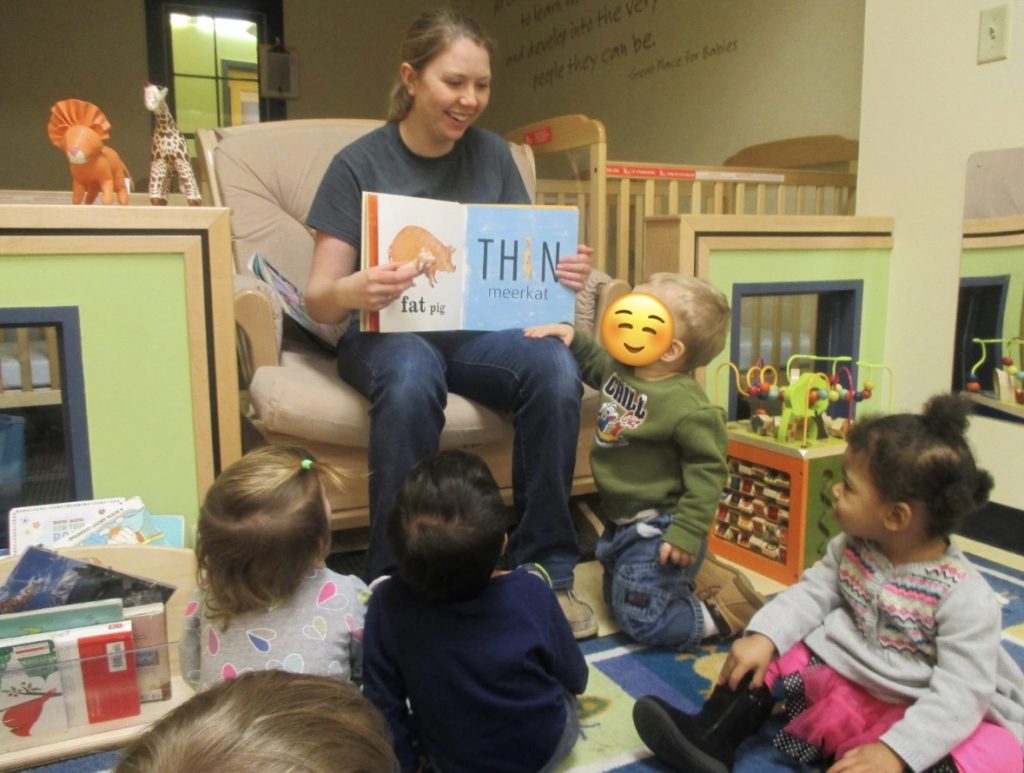
In honor of Read Across America, we spoke with Meaghan Penrod, Certified Early Intervention Specialist and Family and Community Engagement Specialist at Sparkler Learning, about why reading together matters so much in the early years, and how families can make it part of everyday life. Meaghan helped to create this year’s special partnership between Read to Grow and Sparkler — in which we’re sharing a lineup of stories read by their authors (and aligned play activities) throughout the week. Learn more online or find it in the Sparkler app starting on March 2, 2026.
Q: Why is reading together so important in the early years (birth to 5)?
Meaghan:The early years are a period of incredible brain development. When families read together, they’re not just sharing a story — they’re building neural connections that support language, thinking, and social-emotional development. Reading aloud helps children hear new words, understand how language works, and begin to make sense of the world around them. But just as importantly, it strengthens the relationship between caregiver and child. That warm, back-and-forth interaction — snuggling up with a book, talking about the pictures, laughing together, learning what interests your child — is what truly fuels early learning.
Q: What does early literacy really mean? Is it about teaching kids to read as early as possible?
Meaghan: Early literacy isn’t about pushing young children to decode words before they’re ready. It’s about building the foundational skills that make reading possible later on and instill a love of reading! That includes vocabulary, listening comprehension, print awareness (like knowing how to hold a book and turn pages), and understanding that stories have a beginning, middle, and end. It also includes conversation. When caregivers ask questions, pause to let a child respond, or connect a story to real life, they’re building comprehension skills that are essential for later reading success. For babies and toddlers, early literacy might look like chewing on a board book, pointing at pictures, or babbling during story time — and that absolutely counts.
Q: How does reading together support social-emotional development?
Q: What advice would you give to families who feel too busy to read every day?
Meaghan: Be gentle with yourself. Reading together doesn’t have to mean sitting down for 20 uninterrupted minutes, and it may change over time with your child’s age and interests! Even five minutes counts. Reading while waiting at the doctor’s office, bringing a book on the bus, or sharing one quick story before bed all make a difference. You can also “read” the world around you — pointing out signs, labels, grocery lists, and environmental print helps children understand that words have meaning everywhere. The goal isn’t perfection. It’s connection and consistency over time.
Q: What makes reading interactive and engaging for young children?
Meaghan: Follow your child’s lead. If they want to linger on one page, that’s okay. If they want to flip back and reread their favorite part, that’s wonderful. With younger children, you might not even read the words on the page. Sometimes it works better to just talk about the pictures. When my kids were little and didn’t have a very long attention span, I’d scan the page to find a picture I knew they’d connect with and talk about that, even if it wasn’t really a part of the “story.” Something like “Oh, do you see that dog? That looks like your aunt’s dog!” This will usually get them interested and talking. You can ask open-ended questions like, “What do you think will happen next?” or “How is the character feeling?” Let them turn the pages. Use different voices. Make it playful. When children are active participants in reading—not just listeners—they’re building comprehension, confidence, and a love of books.
Q: How can families support early literacy beyond books?
Meaghan: Talking, singing, and storytelling are powerful literacy tools. Narrating your day — “Now we’re putting on your shoes. One shoe, two shoes!” — builds vocabulary. Singing songs supports rhythm and sound awareness, which are important for learning to read. It’s also great for children to see how you engage with reading! When they see you read a book you enjoy, make a meal from a recipe, learn to play a game by reading the instructions, or make a grocery list, they’re learning that reading and words are meaningful and important! At Sparkler, we encourage families to see that literacy is woven into everyday moments. It’s not a separate subject. It’s part of daily life.
Q: Tell us about the special storytime campaign Sparkler and Read to Grow have created in honor of Read Across America Week.
Meaghan: This year for Read Across America Week (March 2–6), Sparkler partnered with the early-literacy nonprofit Read to Grow to bring a very special “Read Together” storytime campaign to families and caregivers everywhere. The idea is simple but powerful: we’re featuring a curated lineup of stories read aloud by the authors and illustrators who created them, so kids can hear the voices behind the books and connect with stories in a meaningful way.
Families can access these read-aloud videos right in the Sparkler mobile app or on Sparkler’s website — and each story comes with related activities designed to extend learning through play and interaction. That might look like movement prompts, simple art projects, or language-building games tied to the themes of the book.
Q: Wow! What's the big idea of the collaboration?
Meaghan: Our BIG idea this week is read together, play together, learn together—because when grown-ups and children enjoy books side-by-side, children’s hearts, words, minds, and bodies all benefit. We created this campaign in partnership with Read to Grow because we believe deeply in supporting families as children’s first teachers, and we want Read Across America Week to be more than just a celebration. It’s an invitation to build joyful, ongoing reading routines that nurture curiosity and confidence early in life.