2
January 16, 2026 by Admin 0 Comments

Anybody Can Serve: Building Big Hearts With Sparkler
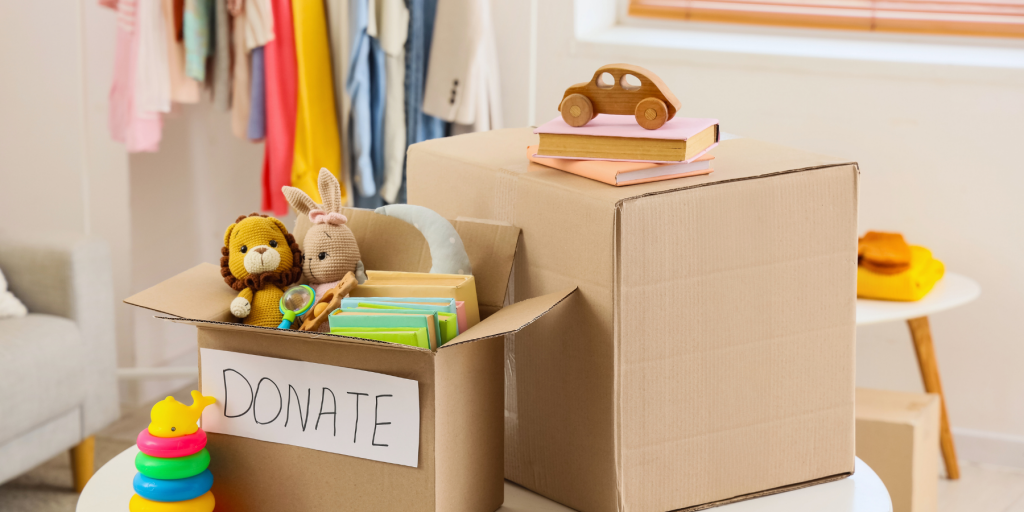
Dr. Martin Luther King, Jr. taught people that all people can be great because “anybody can serve.” For young children, service doesn’t start with grand gestures — it begins with simple, everyday moments of helping, sharing, noticing others, and practicing kindness.

On the Sparkler mobile app, families can find manageable AND meaningful activities that they can do with their young children to turn everyday moments into powerful learning experiences, supporting children’s social, emotional, and cognitive development. 

Many Sparkler activities invite families to explore what it means to be a helper in age-appropriate, joyful ways.

In Let’s Help, children walk outside with a caregiver and look for small ways to help — picking up trash, holding a door, or helping a neighbor carry bags. These experiences build social-emotional skills like empathy and self-awareness while helping children understand that their actions matter. When adults ask, “How do you feel when you help others?” children begin to connect service with positive emotions and a sense of belonging.

Activities like Helpers United and Thank a Helper help children notice and appreciate the people who make their communities work: teachers, sanitation workers, crossing guards, delivery drivers, and neighbors. Creating a collage of helpers or thanking someone in real life strengthens children’s language skills, memory, and social understanding. It also builds respect for others and helps children see themselves as part of a larger community where everyone plays an important role.

Sparkler also encourages families to reflect and plan together. In How to Help and Who Needs It?, children brainstorm ways to help at home or in the community — cleaning up toys, donating clothes, or making a thank-you card—and even draw a “helper plan” to hang up as a reminder. These activities support early executive function skills like planning, decision-making, and follow-through, while reinforcing values of generosity and responsibility.

Creative and playful activities such as Kindness Chain Reaction and Friendship Cookie show children how kindness and sharing can grow. Making a paper chain for each kind act or dividing a giant cookie so everyone gets a piece introduces early math concepts like counting and fairness, while also teaching cooperation and compassion. Children learn that small actions—sharing a toy or offering a compliment—can have a big impact.

Finally, activities like Say It Loud and the Little Helpers, Big Impact invite children to find their voices and see themselves as changemakers. Chanting rhymes about standing up for what’s right or listening to stories of kids helping their communities builds confidence, language skills, and a sense of agency.

These Sparkler activities — and many others — help families show children that service isn’t something we wait to do when we’re older. It’s something we practice every day — at home, on the sidewalk, and in our neighborhoods.

By nurturing empathy, kindness, and community awareness early on, families are helping children grow into caring, capable people who know that anybody, no matter how small, can serve.

How to Find Sparkler Activiites

Families, search for activities in your Sparkler mobile application! Once you try it, remember to press “We Did It!” to earn Sparkles (points) and keep track of what you accomplish together. 

Providers — such as teachers and home visitors — who use Sparkler’s web-based dashboard can find these and other activities in Sparkler’s Library. Please search by the activity’s title to find what you’re looking for and share it with families!
IMG_3091
January 16, 2026 by Dana Stewart 0 Comments

Simple Ways Families with Young Children Can Give Back

By Dana Stewart, Director of Education, Sparkler Learning

Before I became a parent, I would spend Martin Luther King Jr. Day volunteering at my local library, park, or food pantry. As a school leader, I would organize coat and diaper drives to encourage the families at my center to support others in their community. Like many, I believe that one of the best ways to honor Dr. King’s legacy is by finding ways that we can be of service to others.

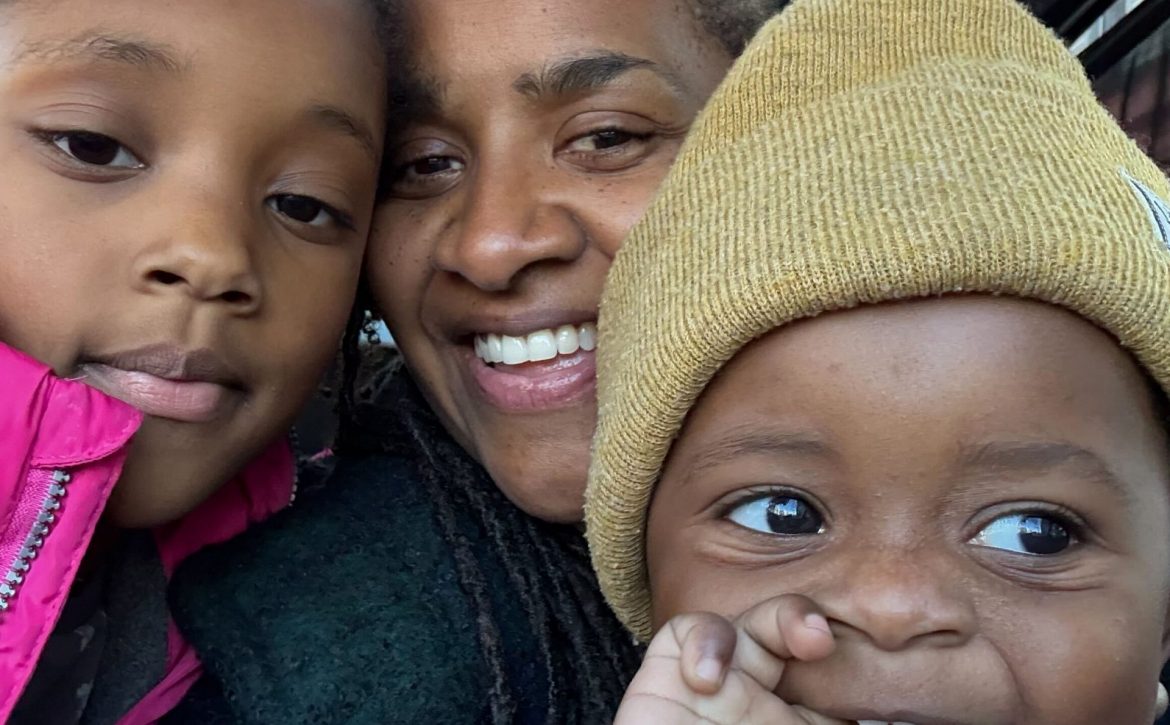
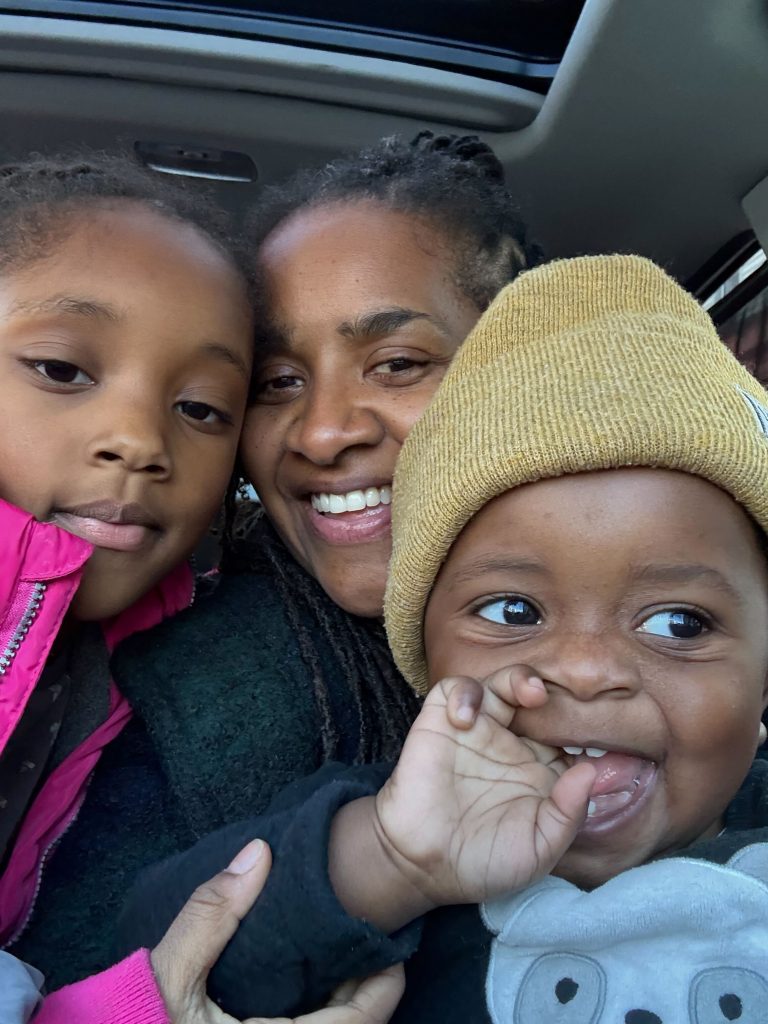
Now, as a mom to a 1-year-old and a 5-year-old, I’ll be honest, sometimes the idea of “giving back” can feel overwhelming. Raising young children is a fulltime job. My days are full and my energy is limited. Even leaving the house can feel like a major undertaking. It’s understandable that many parents think that community service is something we’ll get to later, when our kids are older. 

But what I’ve learned, both professionally and personally, is that caring for a community doesn’t have to be separate from caring for our children. In fact, some of the most powerful lessons about empathy, justice, and belonging are learned as we go about our daily life together.


Service Can be Small — and Still Matter

I still love volunteering, but between laundry and naps, I am not in a season where I can spend hours on a service project. These days, our acts of service are small moments that can fit into our hectic life: bringing in a neighbor’s trash cans, baking muffins to share with friends, or making a card to brighten someone’s day. These moments may seem small, but they are how children begin to learn: I belong here. Other people matter. We help each other. 

Dr. King believed that acts of love and dedication are what build strong, just communities. Those acts don’t require perfection or grand gestures. They require intention.

Simple Ways to Give Back — With Young Children

Here are a few realistic, age-appropriate ways families can practice service together: 

  1. Care for your immediate community. Young children learn best through what they can see and touch. Watering a shared garden, shoveling a neighbor’s walkway, or picking up trash at a local park are tangible ways to show care for shared spaces.
  2. Practice kindness out loud. Explain the reason behind your acts of kindness: “We’re bringing soup because our neighbor isn’t feeling well,” or “We’re donating these toys so another child can enjoy them.” Naming the why helps children connect actions to values.
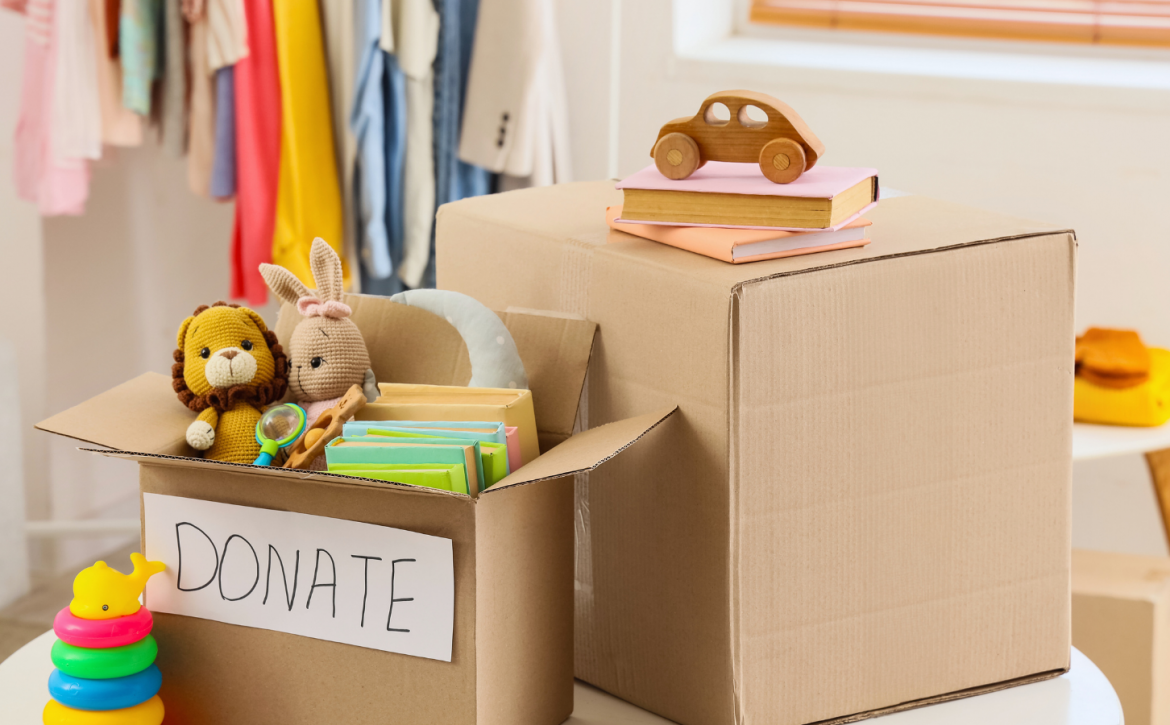
  3. Share what you have. When you pack your unused household items to donate, invite your child to choose a few of their own gently used books or clothes to donate. Your child may struggle with this sometimes — and that’s okay. It can help to make giving less abstract. For example, “I wonder if your friend would be happy to have these ballet slippers that you’ve outgrown.” or “Choose five books that you’re not interested in to leave in the free library, and we can look for new book for you.” Those conversations about fairness, gratitude, and generosity are part of the learning.
  4. Include children in everyday helping. Service doesn’t have to be formal volunteering. Preparing sandwiches for the food pantry, writing a thank-you note to a teacher, or checking in on a friend are all ways of showing up for others.
  5. Give and receive. Being a part of a community means giving AND receiving. When my daughter receives trinkets from a friend or watches me receive baby clothes from a neighbor, she learns first-hand how it feels to receive help from others, which encourages her to share more.

Why This Matters, Especially Now

At Sparkler, we believe that children are capable of understanding big ideas when they’re introduced with warmth and respect. Service builds more than empathy, it builds confidence, communication skills, and a sense of purpose. When children experience themselves as helpers, they begin to see that their actions matter. They can be a hero to someone else!

And for parents and caregivers, practicing service together can be grounding. It reminds us that even in seasons of exhaustion, we are connected to something larger than ourselves.

On this Martin Luther King Jr. Day, I’m not aiming for grand gestures. I’m aiming for presence, connection, and small moments of service. We will talk about fairness at the dinner table; we will squeeze a small act of kindness between naps and bedtime routines.

On Feb. 4, 1968, Dr. King said, “Everybody can be great because anybody can serve…You only need a heart full of grace, a soul generated by love.” His words remind us that greatness does not require people to achieve prerequisites or achieve at a high level or large scale — it’s about service. And when we invite our youngest children into that work, we’re not just honoring his legacy, we’re helping to build the compassionate communities he envisioned, one small act at a time.

New Episode Announcement Who’s in My Family
January 9, 2026 by Admin 0 Comments

Season 5 of Sparkler’s Little Kids, Big Hearts Podcast Launches With a Focus on Families!

Season 5 is Here!

The fifth season of the Little Kids, Big Hearts podcast has arrived! This season, we’ll be focusing on family, community, friendship, and more.

Each month, there will be a new theme related to growing big hearts (AKA social and emotional skills). The first Friday of the month, there will be a “kidventure” episode in which kids discuss a topic and then go on an imaginary adventure to the Land of Qook-a-lackas to help friends there solve problems related to the theme. The following weeks of the month, we’ll feature interviews, missions, songs, and fictional stories, all on the same theme!

Episode's Focus: Families

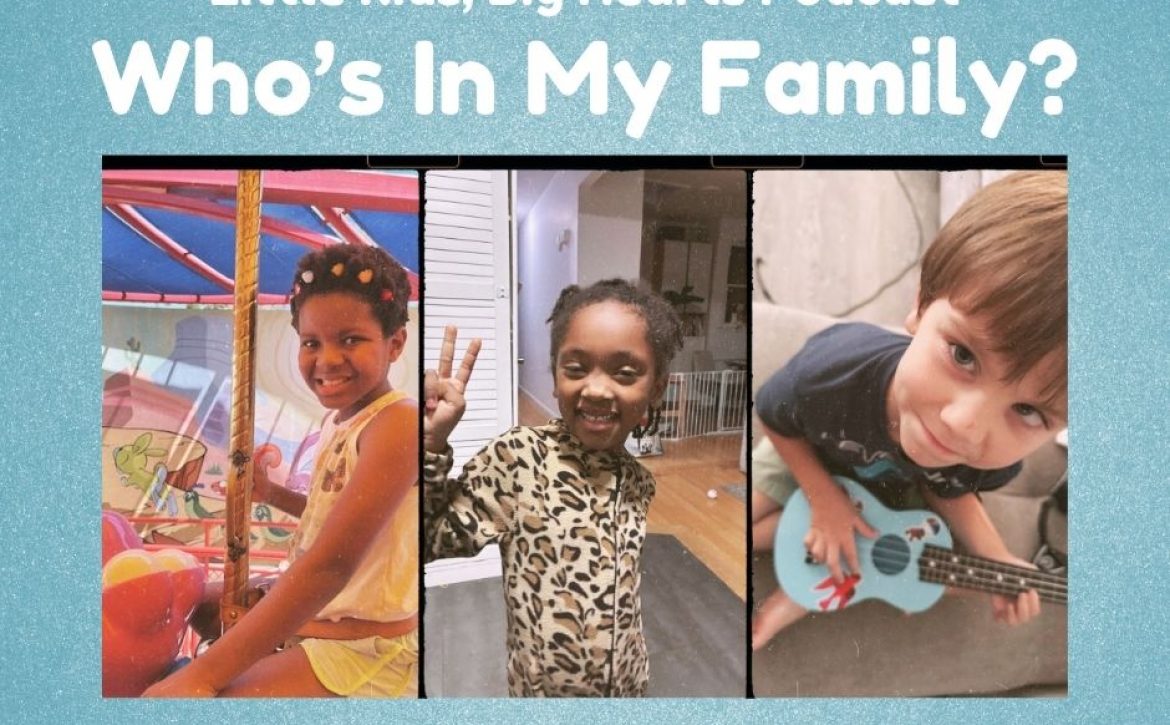
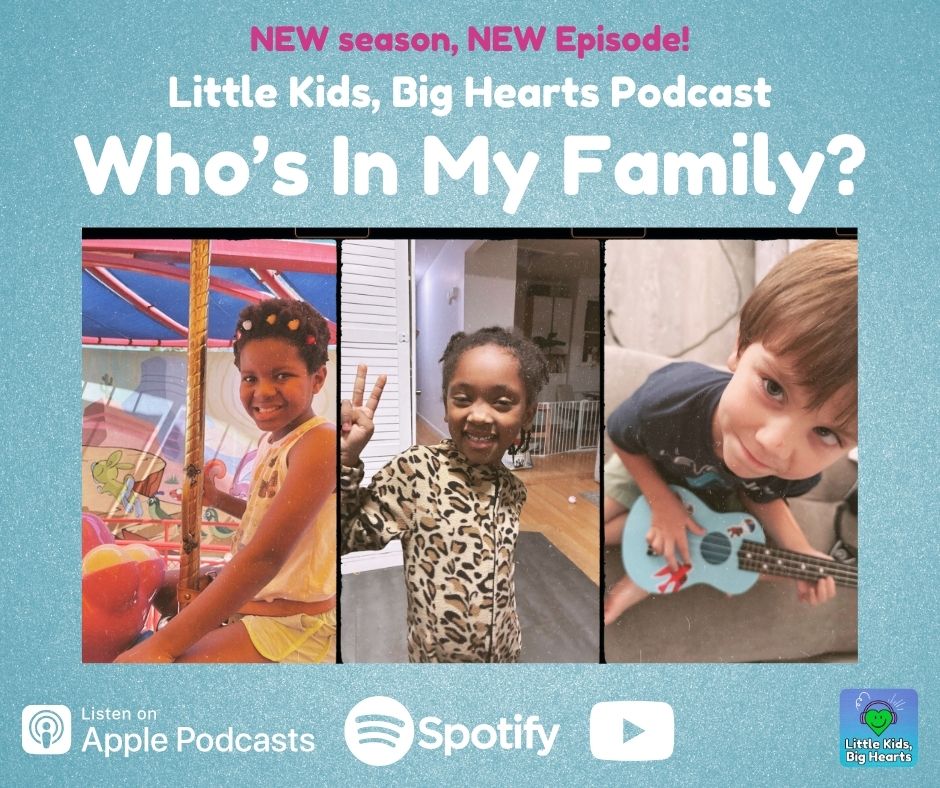
Our January theme is FAMILY. In the episode — “Who’s in My Family?” — our host Todd is joined by three thoughtful kids, Georgia, Jaden, and Carmine, for a warm, meaningful conversation about families and what makes them special.

Together, they talk about family traditions, bedtime routines, games, meals, and the everyday moments that build love and belonging.

Then, the kids close their eyes and travel as tiny imaginary particles to the Land of Qook-a-lakas, where they meet Quilliam, a Qook-a-laka who worries that their family is “just too teeny-weeny” to make a Dream Fest quilt square. With creativity, empathy, and big hearts, the kids help Quilliam discover that families of every size create meaningful memories and that love is what matters most.

The role of Quilliam in this episode is played by Ryann Redmond, an actress and singer. Ryann originated Bridget in Bring It On: The Musical, appeared in the original cast of If/Then, performed in Jimmy Buffett’s Escape to Margaritaville, and made history as the first female Olaf in Frozen on Broadway.

Listen, Watch, Engage!

Listen to the Podcast on our RSS Feed, Apple, Spotify, or wherever you find your favorite podcasts.
Watch it on YouTube.

Listen Together, Learn Together!

After listening, you can discuss and keep the learning going with your family or your classroom to explore the idea of “family” with your children.

In This Episode, Kids Will:

  • Explore different family structures in an inclusive, age-appropriate way
  • Practice empathy through conversation and imagination
  • Learn that love, care, and connection define “family”
  • Use creative storytelling to solve a problem in the Land of Qook-a-lakas
  • Reflect on routines and traditions that build belonging

Grown-Ups, Extend the Conversation By Asking:

  • Who is part of our family? 
  • What are some special things we like to do together as a family? Do we have any traditions? 
  • How are our family routines similar or different from our friends’ routines? 
  • What helps you feel safe, loved, and included at home?
  • What would YOU include on your quilt square? 

Keep the learning going in the classroom with a guided discussion and activities: 

Family Quilt — create quilt square(s) representing YOUR family 

Family Album — write/draw/paste together a book about the people in your family and the things that make your family special